
Last updated November 22, 2026
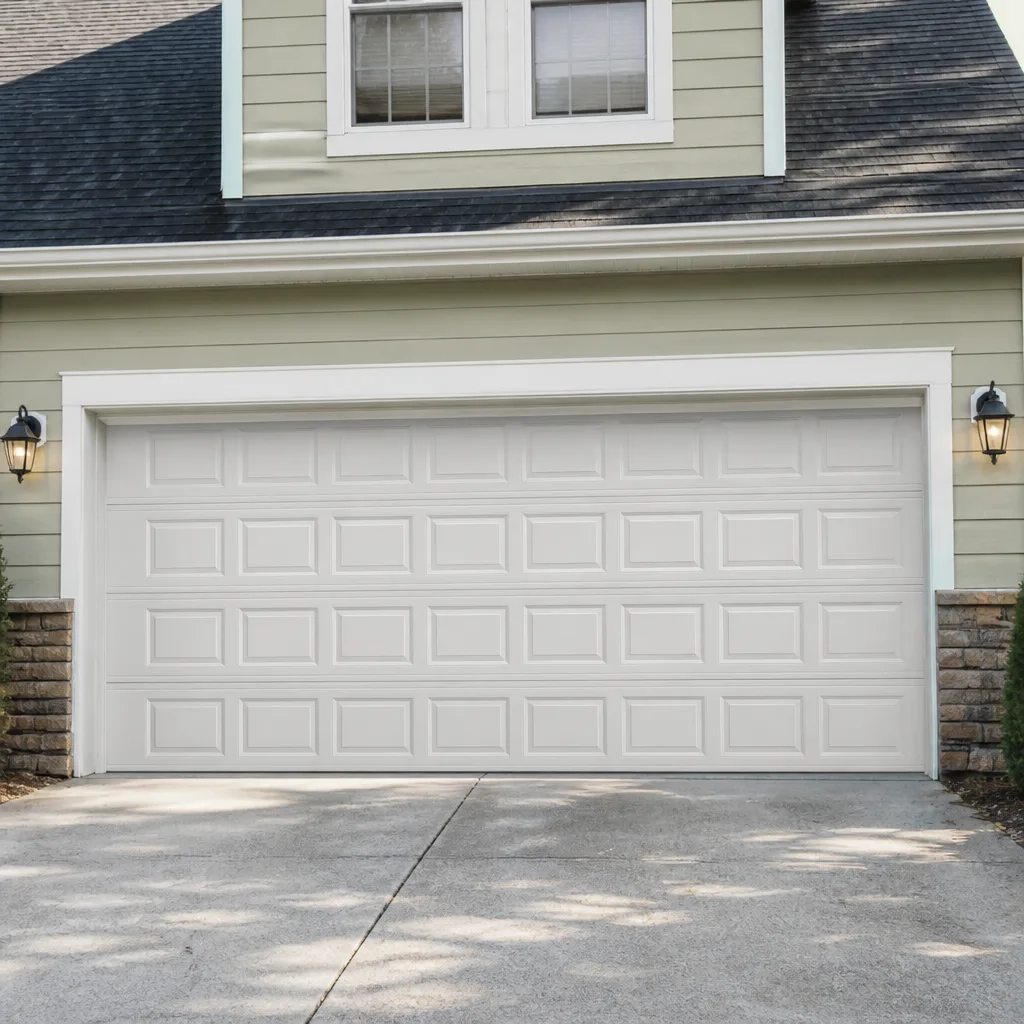 Raised-panel steel
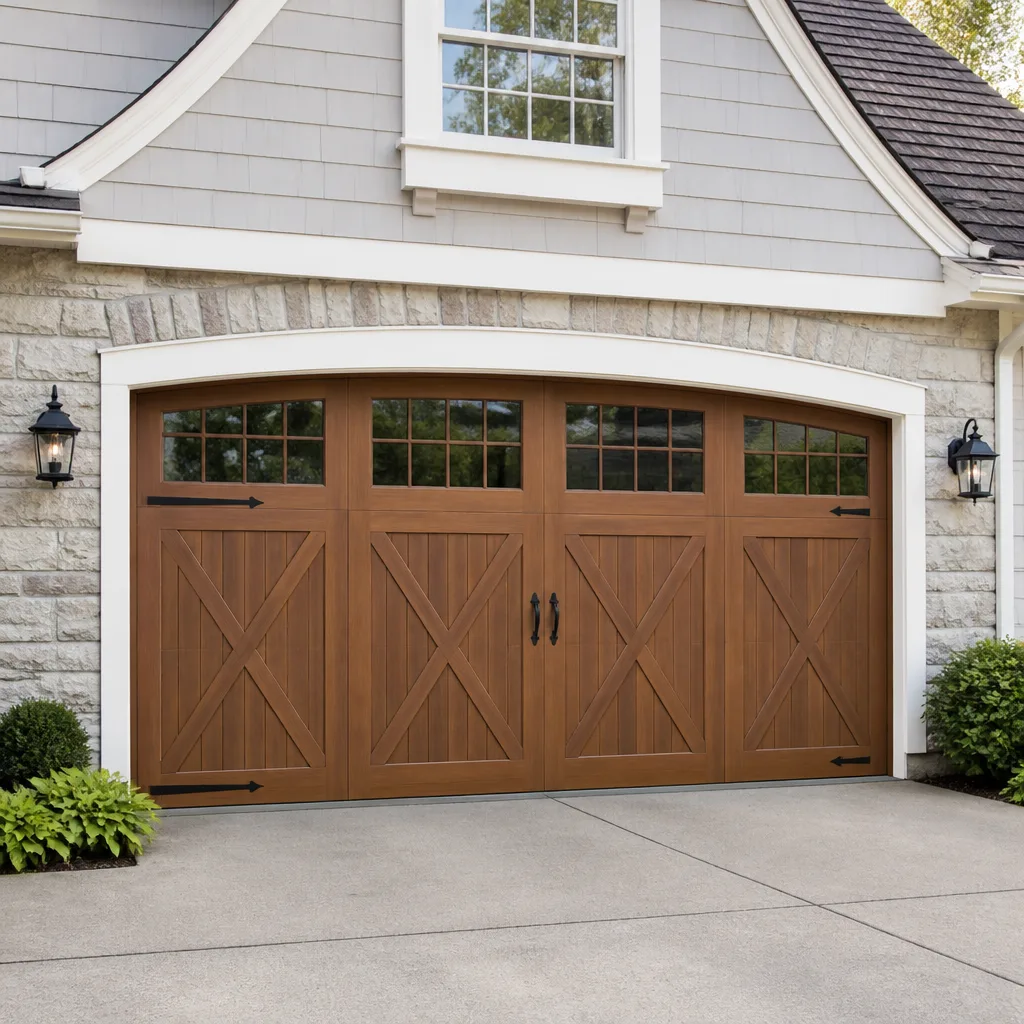 Carriage house
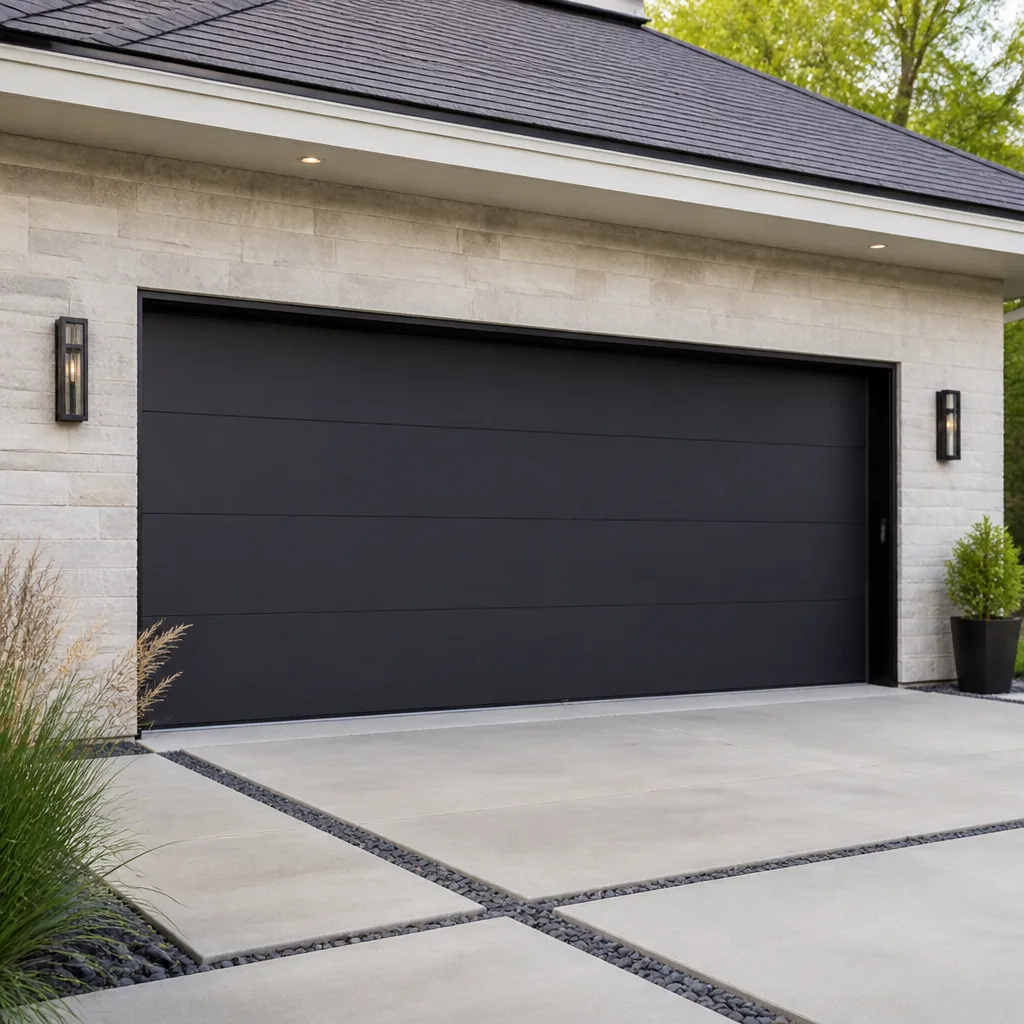 Modern flush
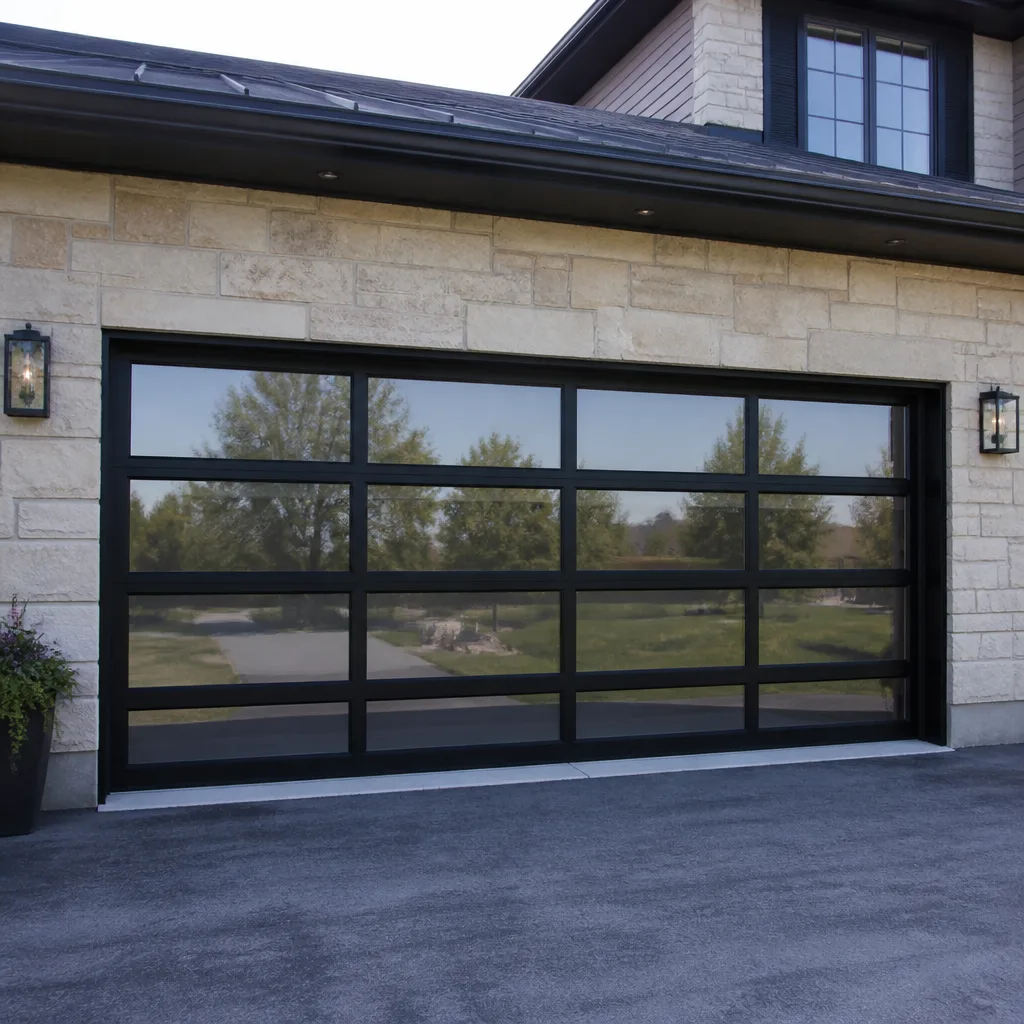 Full-view glass
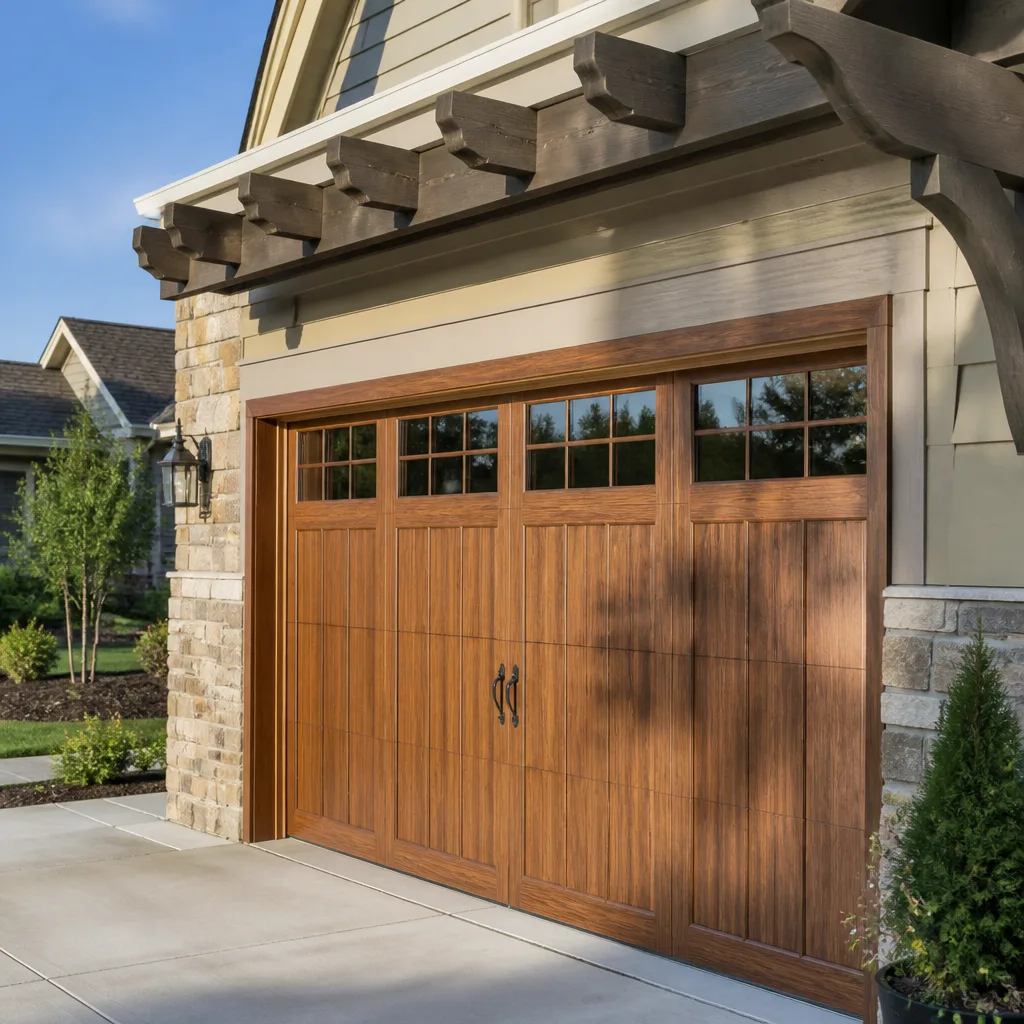 LiftMaster openers
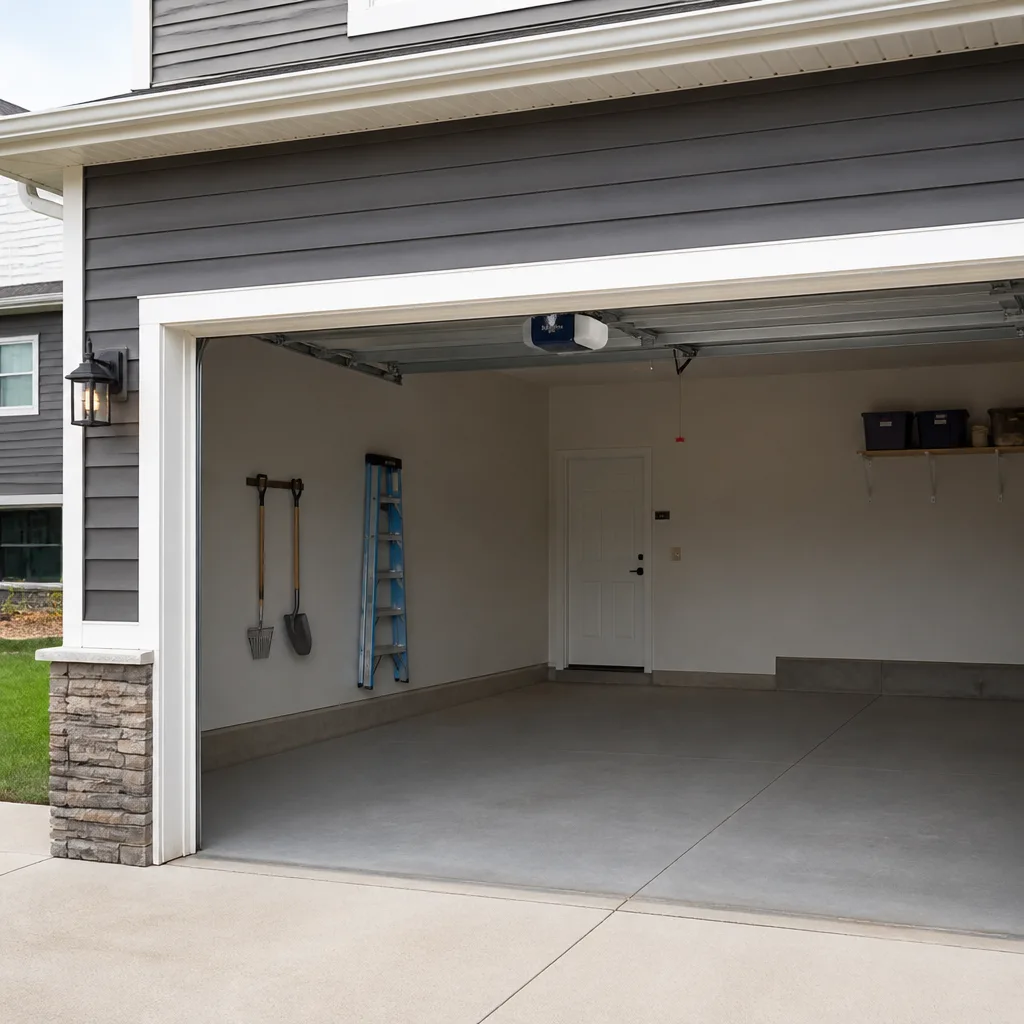 Chamberlain openers
Full 25-point door and opener safety check with every visit - springs, cables, rollers, tracks, and your LiftMaster or Chamberlain opener included
You get a price before we start. It does not change when the pro arrives.
Get your free estimateDIY vs Professional Garage Door: The Gainesville Homeowner’s Decision Guide
Most homeowners assume the DIY-or-professional question comes down to confidence. It doesn’t. A torsion spring stores enough force to break a wrist or take out an eye the moment it releases unexpectedly, and that has nothing to do with how careful you are. The physics don’t negotiate. But here’s the part that gets lost: plenty of garage door work in Gainesville is genuinely safe to handle yourself, and paying a professional for it is a waste. This guide draws a clean line between tasks worth your Saturday and tasks that belong to a trained technician, so you stop underpricing the dangerous jobs and overpaying for the simple ones.
Quick Answer
Torsion and extension spring work, cable replacement, and full door replacement should always go to a professional because the stored mechanical energy and Florida wind-load code requirements make DIY genuinely dangerous and legally risky. Lubrication, weatherstripping, sensor alignment, and remote reprogramming are safe, straightforward homeowner tasks. Track realignment and opener gear replacement sit in between: doable with the right tools for some homeowners, but a reasonable place to call for help. The rest of this guide explains exactly where each task falls and why.
Styles & brands we work with
- Raised-panel steel
- Carriage house
- Modern flush
- Full-view glass
- LiftMaster openers
- Chamberlain openers
Table of Contents
- Where the Real Line Sits: Risk, Not Skill
- Genuinely DIY-Safe Tasks
- DIY-Possible Tasks That Need the Right Tools and Knowledge
- Tasks That Should Never Be DIY: Springs and the Physics Behind It
- Florida Code, Permits, and Insurance: Why DIY Door Replacement Carries Hidden Liability
- The Honest Math: When a Professional Repair Is Cheaper Than a Second Attempt
- Brand Matters: What DIY Means for LiftMaster, Chamberlain, and Legacy Systems
- When to Call a Professional
- Frequently Asked Questions
Where the Real Line Sits: Risk, Not Skill
The usual framing of DIY versus professional is wrong. People think it’s a ladder of difficulty, and if they’re handy enough they can climb it. Garage doors don’t work that way. What separates a safe homeowner task from a dangerous one is whether the job involves stored mechanical energy or a code-regulated structural change. Skill level barely enters into it.
A garage door is a balance machine. The springs carry the weight of the door so a small motor, or your arm, can lift it. That means a properly working door has hundreds of pounds of force coiled inside a spring that is always under tension, even when the door is closed and nothing seems to be happening. The balance between springs, cables, and the door’s own weight is precise. Change one variable and the others go out of tolerance.
That’s why the sensible split looks like this:
- Low risk, low consequence: cleaning, lubricating, replacing weatherstripping, realigning sensors, reprogramming remotes. If you get it wrong, the door still works and you try again.
- Understandable risk, real consequence: cable replacement, track realignment. Get these wrong and the door can bind, come off its track, or release stored force. Skilled homeowners can sometimes manage them, but the margin for error is thin.
- High risk, mechanical consequence: torsion and extension spring work. The spring can release instantly, and there is no safe way to rehearse.
- Legal and structural consequence: full door replacement. Even a perfect installation that doesn’t meet local wind-load requirements is a problem.
Notice that “how hard is it” appears nowhere on that list. A torsion spring is not a hard job to understand. It’s a dangerous job to do. That distinction is the whole guide. Our technicians have up to 13 years of experience, and even they treat spring work as the one task on the door that demands undivided attention and the correct winding bars every single time.
Genuinely DIY-Safe Tasks
These are the jobs worth doing yourself, and doing them regularly will head off a surprising share of breakdowns. A garage door in Gainesville deals with heat, humidity, and the grit that blows in off unpaved lots and construction sites, so lubrication and seals need more attention here than the manual suggests.
Lubrication. Every moving part benefits from a proper garage door lubricant, not WD-40. Hinges, rollers, the torsion bar bearing plates, and the opener’s rail all take a light coat a couple of times a year. This is the single easiest way to quiet a noisy door and slow wear on the rollers. It’s also the task most often skipped.
Weatherstripping replacement. The rubber seal along the bottom of the door and the strips around the frame crack and flatten in the heat. Replacing the bottom seal is a straightforward homeowner job: the old seal slides out of its channel and a new one slides in. It keeps rain and pests out and stops the door from rattling.
Sensor alignment. If the door reverses the moment it starts closing, the safety sensors at the base of the tracks are usually misaligned or blocked. A quick check with a level and a wipe of the lenses solves most of these. The sensors should face each other, and their indicator lights tell you whether they see each other.
Remote reprogramming. When a remote stops working or a code needs clearing after a move, the opener manual walks through it. For LiftMaster and Chamberlain units the process is short and safe. Craftsman and Genie remotes have their own steps, but the logic is the same.
- Check the opener’s manual for your model’s programming sequence.
- Press the learn button on the opener within the window the manual specifies.
- Press the remote button twice, watching for the opener’s light to confirm.
- Test from the end of the driveway to confirm range.
None of these tasks involve the springs or cables. Keep it that way and you’ll get years of quiet operation without a service call.
DIY-Possible Tasks That Need the Right Tools and Knowledge
Some jobs fall in a gray zone. They are technically within a motivated homeowner’s reach, but only with the right tools, the right sequence, and a willingness to stop if something doesn’t feel right. We’ve seen enough half-finished versions of both jobs to recommend caution rather than a blanket “yes” or “no.”
Cable replacement. The cables run from the bottom corners of the door up to the drums at the top, and they carry the door’s weight alongside the springs. A cable that snaps or frays needs replacing, and doing it requires releasing tension first. That’s the part that trips people up: the cable is under load, and cutting or loosening it wrong can whip it across the garage. If you take it on, the door must be in the fully open position with the springs de-tensioned, and the door clamped so it cannot drop. If that sentence sounds risky, it’s because it is.
Track realignment. A door that binds or pulls to one side often has a track that’s been knocked out of plumb, either by impact or by a loose bracket. Realigning it means loosening the bracket bolts, adjusting the track with a level, and retightening. If the track is bent rather than shifted, replace the section rather than bending it back. A kinked track will always run rough.
Both of these are places where a homeowner who knows the sequence can succeed. Both are also where a failed attempt leaves the door in a worse state than it started, sometimes hanging dangerously off the track. If you aren’t certain about the tension state of the door before you touch a cable, stop and get help.
Tasks That Should Never Be DIY: Springs and the Physics Behind It
Torsion and extension spring work should not be attempted by a homeowner regardless of how handy you are. This isn’t a matter of experience. It’s a matter of physics. A spring under load stores the energy of the door’s weight, and releasing it the wrong way releases that energy into whatever is nearby, usually a hand or a face.
The specific danger in torsion work is the winding process. Winding bars hold the spring under tension while you adjust the set screws. If a bar slips or a set screw lets go while the spring is wound, the bar spins free with enormous force. Commercial techs use two bars at once and work the spring in small increments for exactly this reason. There’s no way to practice that safely.
Our garage door spring repair is a core service, not an add-on. We handle both torsion and extension springs, and we treat them as one of the highest-skill tasks in the trade. The reason is simple: it’s also one of the most common DIY attempts that ends with an injury. We’ve seen the aftermath.
A few signs the springs need attention before you go near them:
- The door feels very heavy lifting it by hand, or won’t stay partway open.
- You hear a sharp bang from the garage and the door won’t open afterward.
- The door is visibly crooked, with a gap on one side when closed.
- The springs show a visible gap where a torsion spring has snapped.
If any of those match, don’t try to release the door yourself. Call us. We answer 24/7, and fast dispatch from 7am to 7pm gets a technician out to de-tension the door safely.
Florida Code, Permits, and Insurance: Why DIY Door Replacement Carries Hidden Liability
This is the section most DIY guides skip. In Gainesville, replacing a garage door isn’t just a matter of hanging a new panel and connecting the opener. Garage doors are regulated under Florida’s wind-load requirements, and a door that doesn’t meet the required design pressure for its opening creates problems that have nothing to do with whether the installation looks right.
Wind-load code for a garage door is about how the door performs against pressure. The door weight, the reinforcement struts, and the anchoring all factor in. A door chosen for its look but installed without the required reinforcement can fail inspection, and more importantly, a failed door can affect how your home’s opening behaves in a storm. The rules vary by building type and location, and older Gainesville properties often have openings that were never brought up to current standards.
The practical consequences are real:
- Permit issues. Pulling a permit for a door replacement puts the installation under inspection. Work done without a permit can surface later at sale or refinance and cost more to correct.
- Insurance concerns. If a door fails in a storm and the installation doesn’t match what was permitted, your coverage can be affected. Insurers look at whether the work was done to standard.
- Warranty concerns. A door installed outside the manufacturer’s approved method can void its warranty, which leaves you with the cost of a failed door and no recourse.
Our garage door repair process includes checking whether a replacement door’s wind-load rating matches your opening before we order anything. A door installed correctly the first time is cheaper than a correction later.
The Honest Math: When a Professional Repair Is Cheaper Than a Second Attempt
There’s a version of the DIY calculation people run in their heads: the price of a part versus the price of a service call. That math leaves out the second visit. A repair that fails is not a slightly more expensive repair. It’s a repair plus a diagnosis plus the cost of fixing both the original problem and whatever the first attempt changed.
Picture the common scenario. A homeowner tries to fix a door that won’t close and replaces a bottom bracket and a sensor without diagnosing that the real problem is a slightly bent track. The door still won’t close, and now the track is worse. The professional visit costs more than it would have on day one, because there’s more damage to undo.
The other version of the math is the damage that a botched spring or cable job causes. A door that falls or drops off its track can damage the opener’s rail, the panels, and the reinforced struts. Those costs stack quickly.
Then there’s your time. A track realignment done correctly occupies an afternoon plus two trips to a hardware store. A technician handles it in a visit. For a spring, the calculation doesn’t include time at all, because it’s not safe to do.
Here’s the practical rule: run the math on the total job, not the part. If a homeowner attempt carries a real chance of a second visit, the professional estimate usually wins. Our garage door repair service starts with a free estimate and a written price, so you can compare that against the honest version of the DIY cost before you decide.
Brand Matters: What DIY Means for LiftMaster, Chamberlain, and Legacy Systems
On an opener, the brand is usually the deciding factor in whether a homeowner job stays simple. LiftMaster and Chamberlain are the two dominant smart-home-integrated brands, and both offer straightforward app setup and remote programming. Craftsman and Genie units, which are among the most common legacy systems still running in Gainesville, work reliably but have different repair paths and parts that aren’t always stocked at a big box store.
Here’s what we see across the brands most often:
- LiftMaster and Chamberlain: remote and app programming is a DIY task for a patient homeowner. When a gear or logic board fails, the repair is more involved but the parts are common.
- Craftsman: older units with worn gear assemblies. A replacement gear kit is available, but pressing a new gear onto the shaft is a job that rewards patience and the right tools.
- Raynor: more often a door than an opener, and door hardware for these systems usually needs to come from a specialist rather than a store shelf.
- Genie: reliable legacy units with their own rail and tension systems. Common repairs are doable with the right manual and part, but the diagnostic step matters more than people expect.
Our garage door opener repair covers all of these, which means a homeowner who tries a repair and gets stuck isn’t starting over with a different contractor. The same specialist who would have done it right can finish the job or diagnose what the first attempt missed. If you’re weighing a gear replacement yourself, the honest question is whether you have the press or the patience to seat it correctly. If not, it’s a quick fix.
When to Call a Professional
Call a professional in these situations: a spring has snapped or the door is suddenly heavy to lift; a cable is frayed or slack; the door has come off its track; the opener runs but the door doesn’t move; or you’re replacing a door and need to meet wind-load code. Track the exact issue before you call, because the description shortens the diagnosis.
For anything urgent, our emergency response is genuine rather than a marketing phrase. Emergency work is part of what we do, and the price is set by the written estimate before any work starts, not changed because the call came in on a rush basis. We answer 24/7, and fast dispatch runs from 7am to 7pm, Sunday through Friday. Gainesville Garage Door Repair Co offers free estimates in Gainesville, so call (844) 654-1981 to get a diagnosis and a written price. Our technicians have up to 13 years of experience, and the same specialist who diagnoses the problem is the one who fixes it.
Frequently Asked Questions
No. Torsion and extension springs store enough energy to cause serious injury if released incorrectly, and the winding process has no safe trial run. This is a professional task regardless of your general handiness, and call us at (844) 654-1981 for an exact estimate.
Yes. Lubrication, weatherstripping replacement, sensor alignment, and remote reprogramming are genuinely safe homeowner tasks and worth doing regularly. Use a garage door lubricant rather than a spray like WD-40, and apply it to hinges, rollers, and bearing plates a couple of times a year. If the door is unusually noisy or heavy after that, it’s worth a call.
Most door replacements require a permit, and the door must meet the wind-load requirements for the opening. Ask the City of Gainesville building department for the specifics on your property before you buy a door. A door installed to the wrong standard can create inspection and insurance problems even if it looks fine.
We don’t quote a number here because the estimate depends on the door and the spring type. What we can say is that the DIY alternative, when it fails, means a second service visit plus any damage from the first attempt. Call (844) 654-1981 for a free written estimate; the price is set before any work starts.
It’s possible with the right tools and understanding of tension, but it carries real risk. The cable is under load, and releasing it incorrectly can cause injury. If you aren’t certain how to de-tension the door first, leave it to a technician. The margin for error is small.
No. The price is per job, set by the written estimate before work begins, and it doesn’t change because the call is urgent. We answer 24/7, and fast dispatch runs from 7am to 7pm, Sunday through Friday. A call outside dispatch hours is booked into the next opening. Call (844) 654-1981 for a free estimate.
The Bottom Line
The DIY question on a garage door comes down to risk, not skill. Lubrication, weatherstripping, sensor alignment, and remote programming are yours to handle and worth doing. Cable replacement and track realignment are possible for a careful homeowner with the right tools, but the margin is thin. Springs and full door replacements belong to a professional, because the physics are unforgiving and the code requirements are real. When you weigh the math, include the cost of a second attempt, not just the part. Repair first, replace only when it makes sense, and get the number in writing before anyone starts. If you’re unsure which side of the line your job sits on, call us. We answer 24/7, with fast dispatch from 7am to 7pm. Call (844) 654-1981 for a free estimate from Gainesville Garage Door Repair Co.
Written by the team at Gainesville Garage Door Repair Co.
See the difference
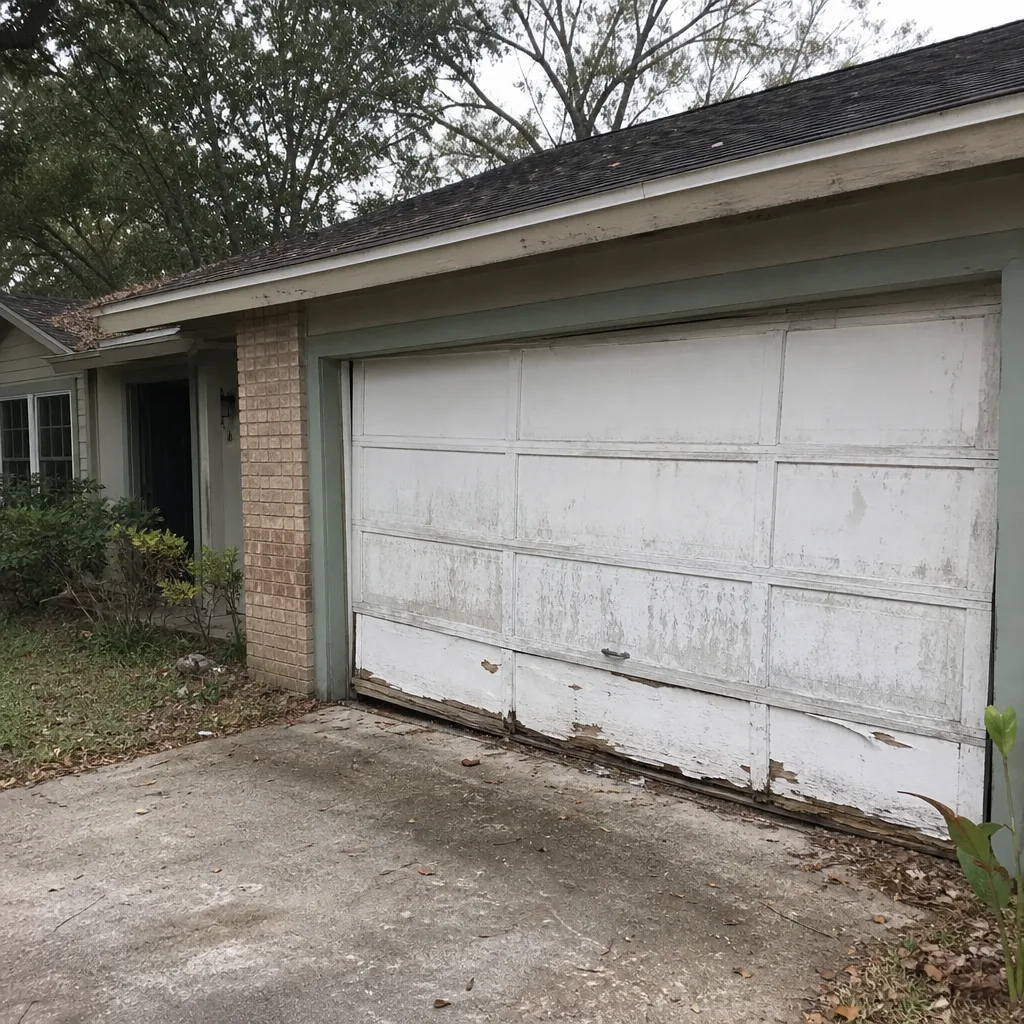 Before
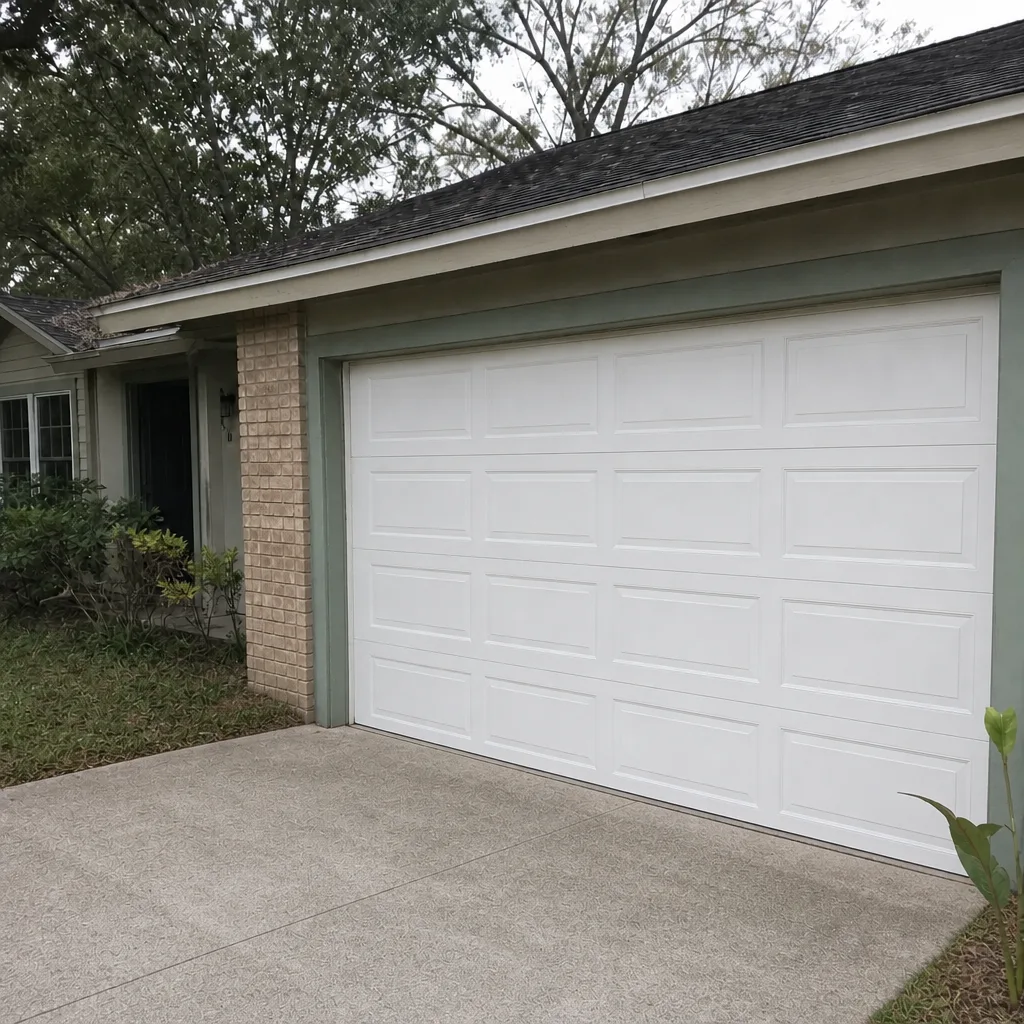 After
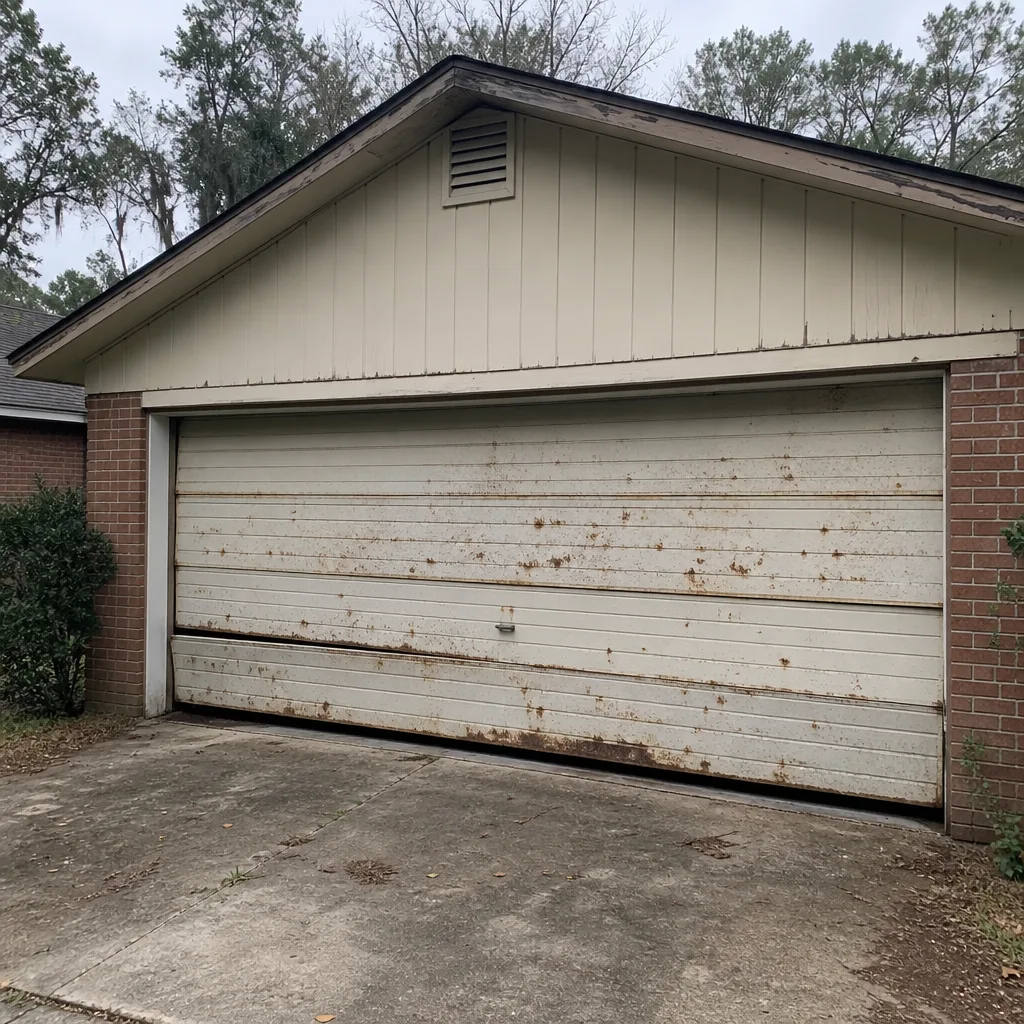 Before
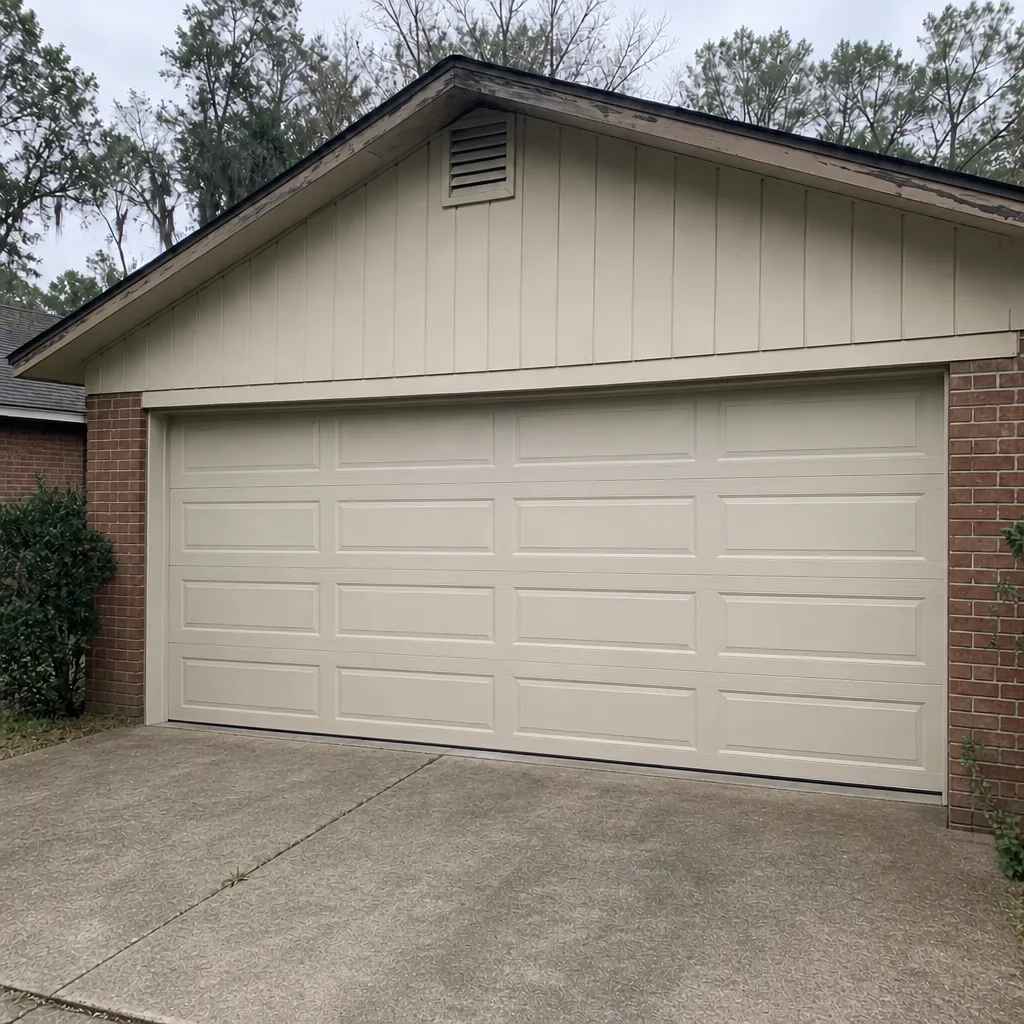 After
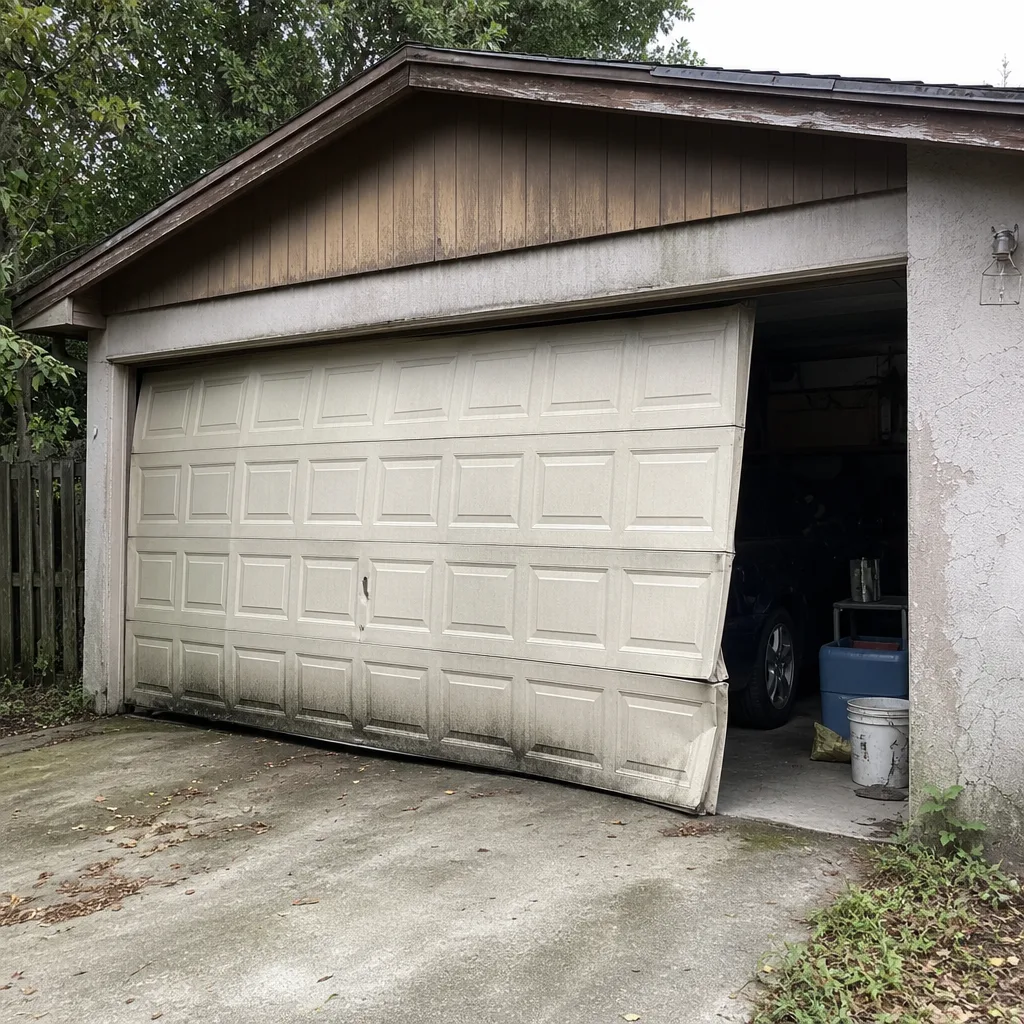 Before
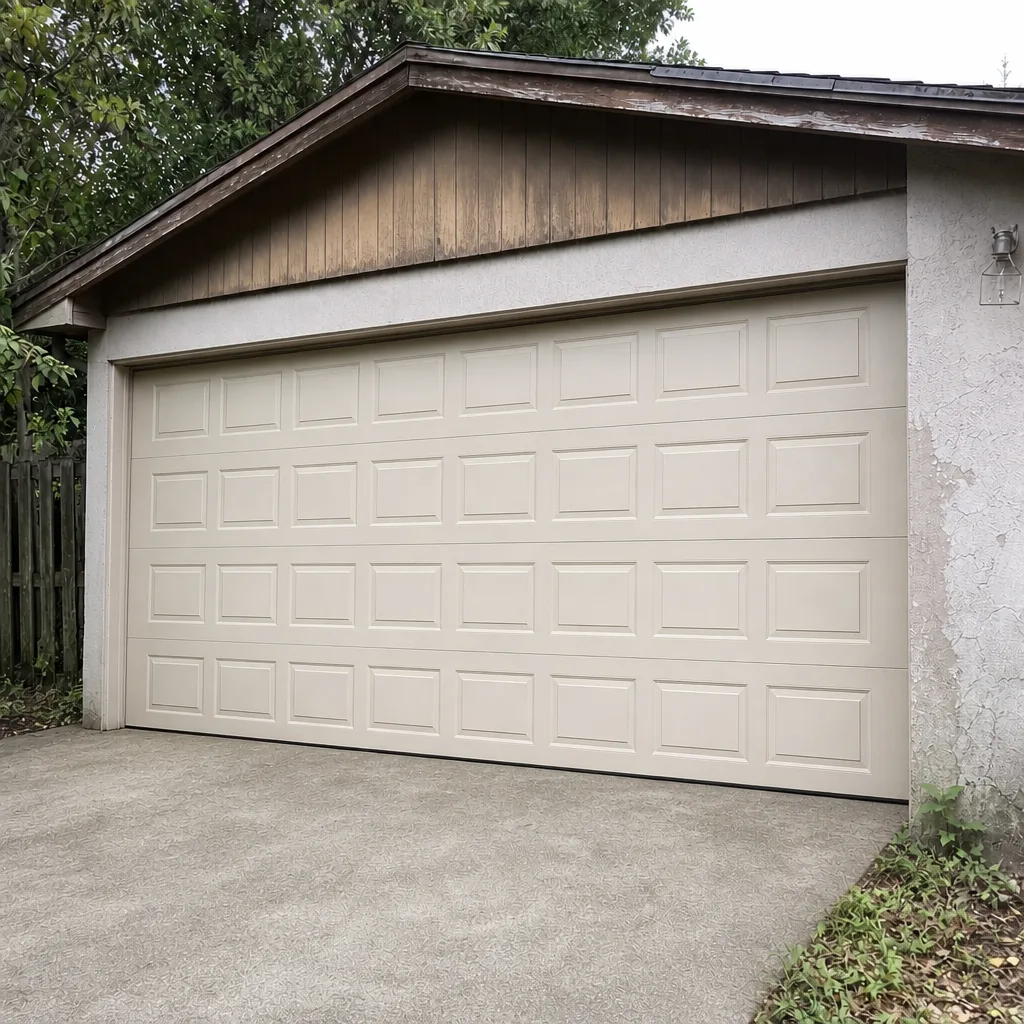 After