
Last updated November 22, 2026
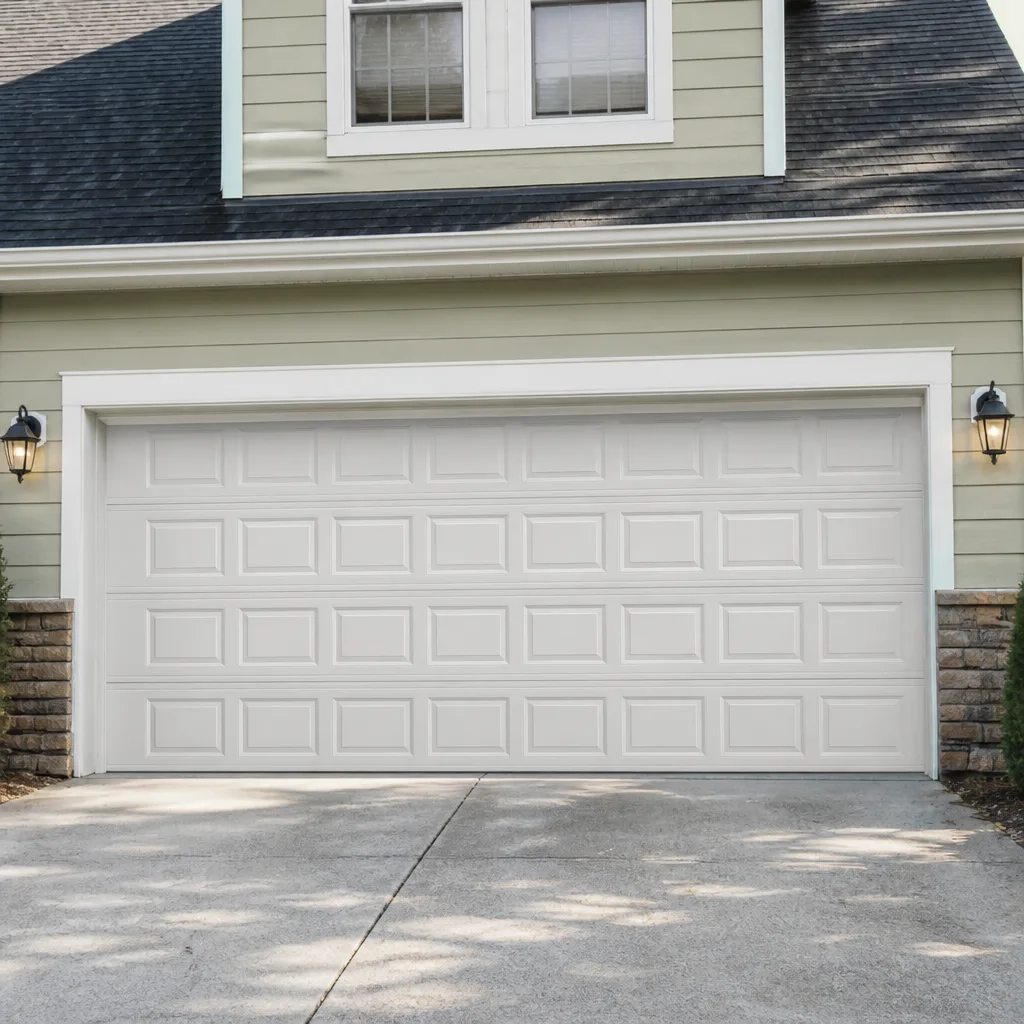 Raised-panel steel
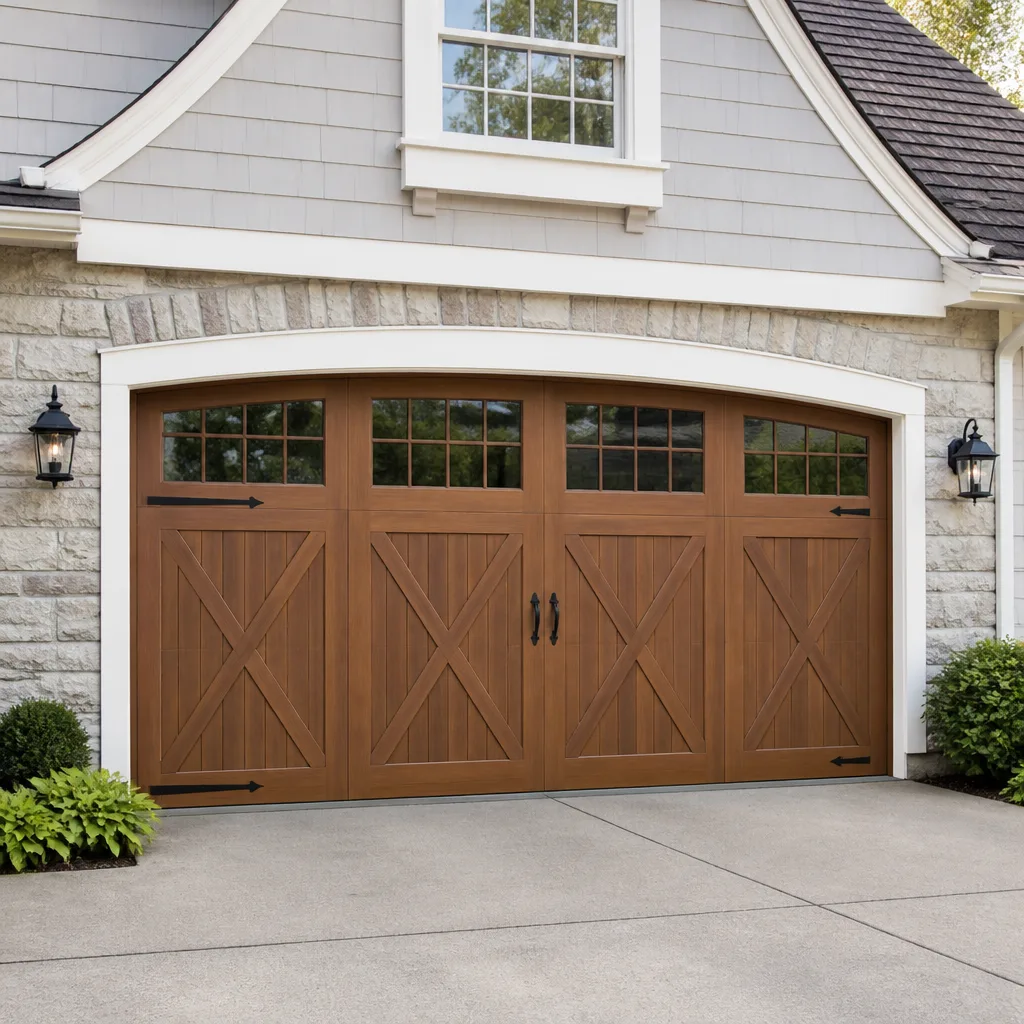 Carriage house
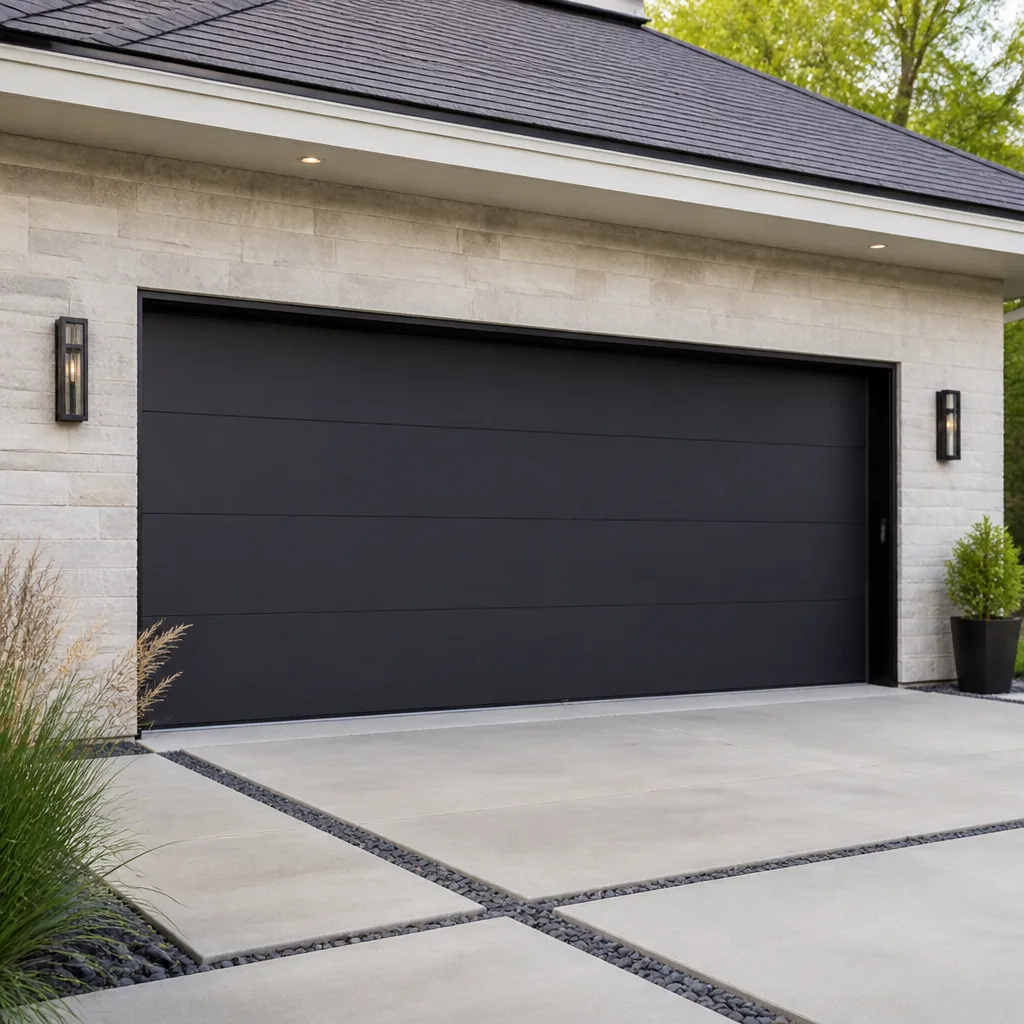 Modern flush
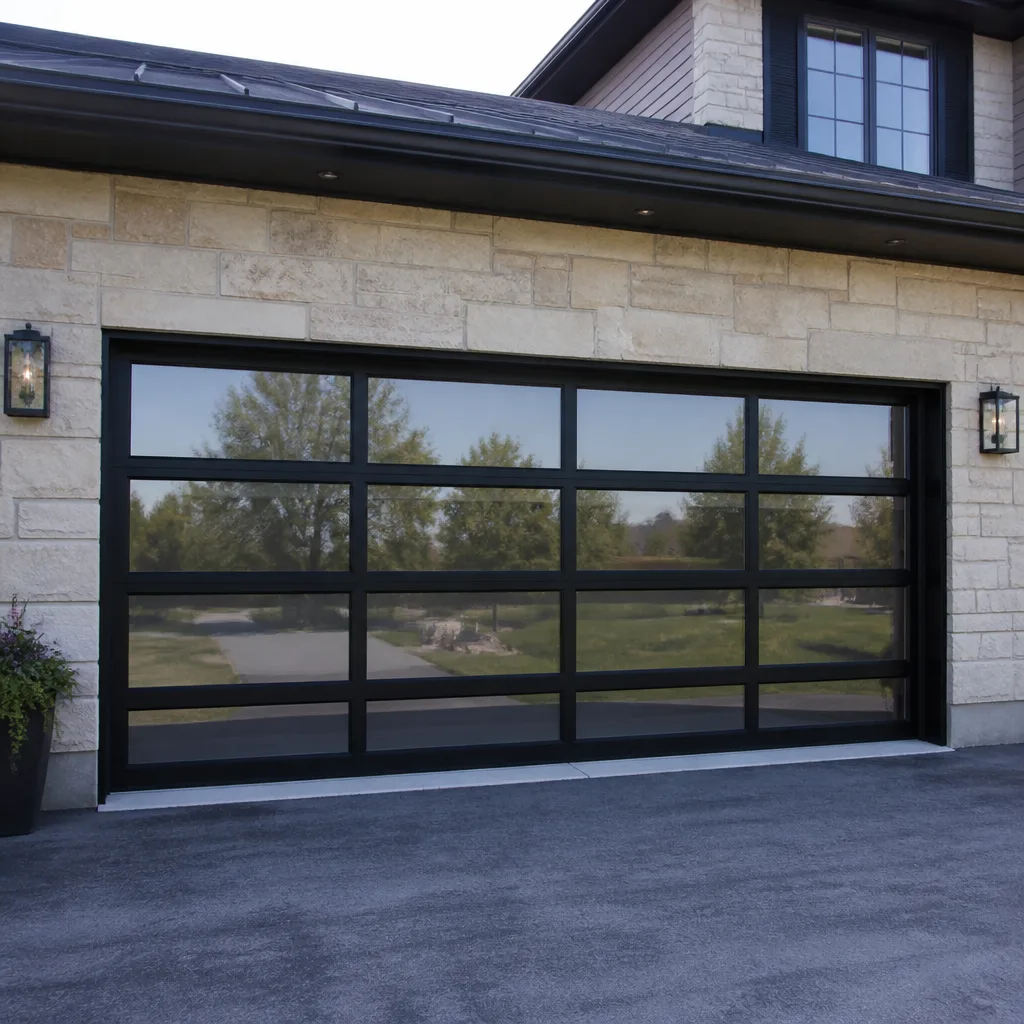 Full-view glass
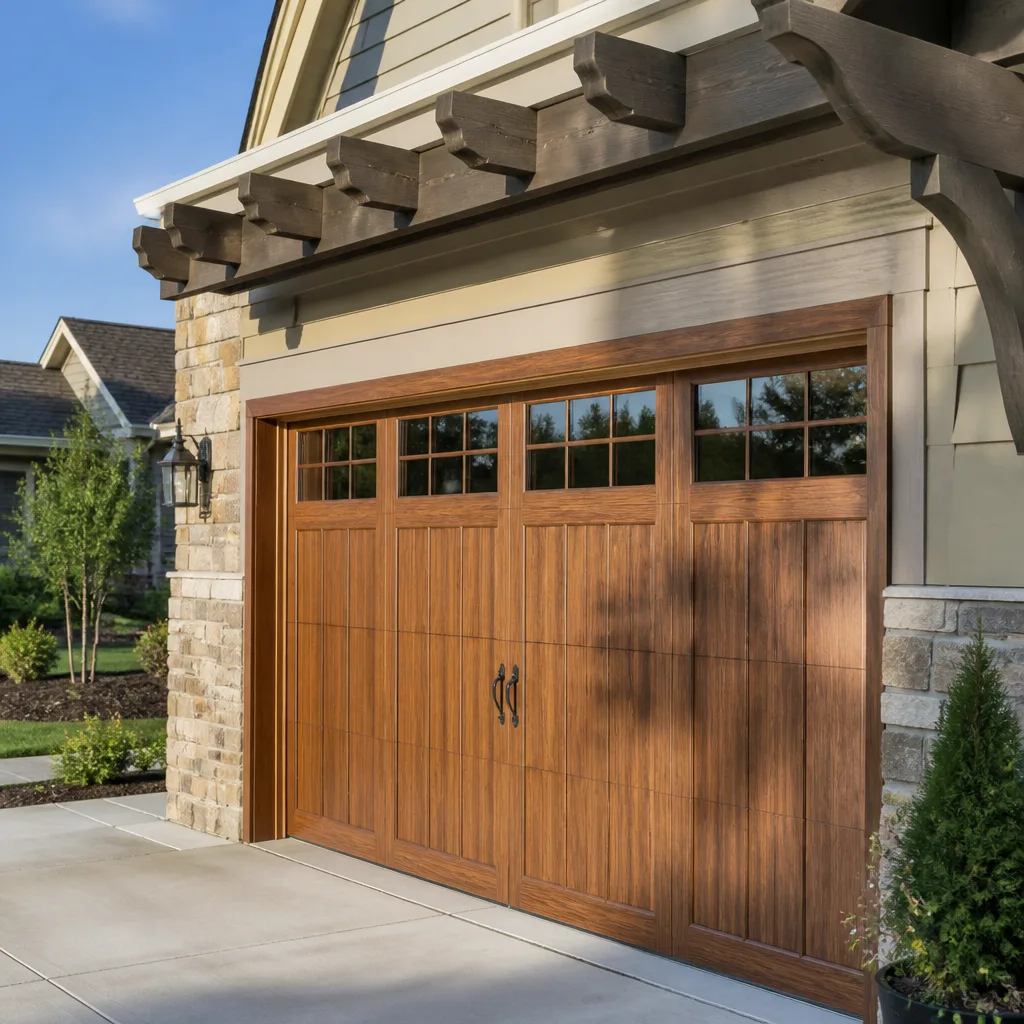 LiftMaster openers
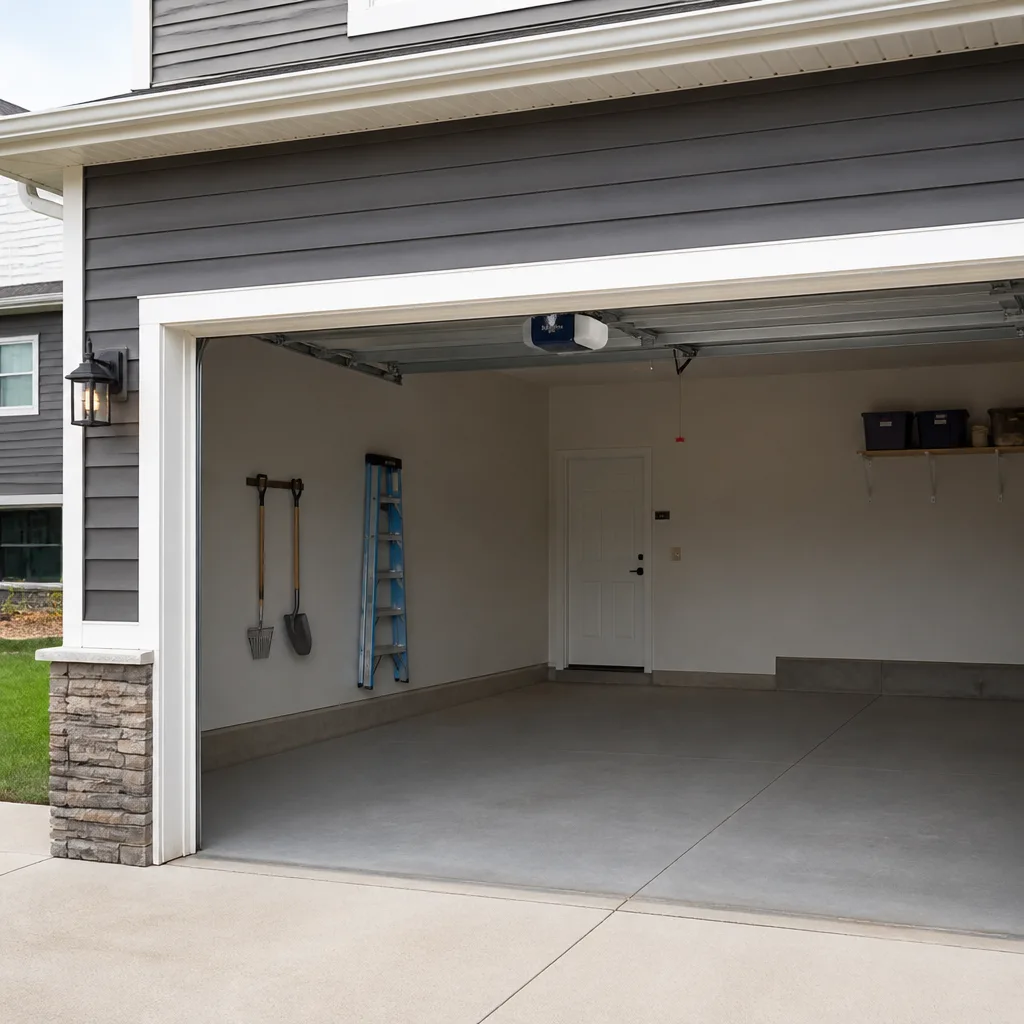 Chamberlain openers
Full 25-point door and opener safety check with every visit - springs, cables, rollers, tracks, and your LiftMaster or Chamberlain opener included
You get a price before we start. It does not change when the pro arrives.
Get your free estimateThe Complete Guide to Garage Doors in Gainesville
Most garage door guides are written for somewhere that isn’t Gainesville. They talk about snow load and road salt, and your door has never seen either. What your door does see is a summer that runs from April to October, humidity that hovers near saturation for weeks, hurricane-season wind ratings that decide whether a door is legal to install here, and a housing stock where a good number of garages were framed before anyone thought about standard sizing. A garage door in Gainesville is a system built for a specific environment, and treating it like a commodity off a spec sheet is how homeowners end up with a door that rusts early, fails inspection, or doesn’t fit. This guide covers what actually matters here: materials, wind ratings, sizing, permits, insulation, and the repairs we see most often.
Quick Answer
A garage door in Gainesville needs to handle high humidity, hurricane-season wind loads, and the sizing quirks of older local homes. That means a door rated for the wind pressures Alachua County requires, a material that resists corrosion in a humid climate, and correct sizing measured on site rather than assumed from a catalog. Get those three right and the door will outlast one chosen purely on price or appearance.
Styles & brands we work with
- Raised-panel steel
- Carriage house
- Modern flush
- Full-view glass
- LiftMaster openers
- Chamberlain openers
Table of Contents
- How Gainesville’s Climate Affects Your Garage Door
- Steel vs. Aluminum vs. Fiberglass in a Gainesville Context
- Alachua County Wind-Load Requirements and Door Ratings
- Why Older Gainesville Homes Often Need Non-Standard Sizes
- The Permit Process for Installs and Replacements
- Matching Insulation to a Garage That Doubles as a Workshop
- Choosing and Maintaining an Opener Here
- A Seasonal Maintenance Routine That Fits This Climate
How Gainesville’s Climate Affects Your Garage Door
Humidity is the quiet force behind most premature garage door failures in Gainesville. A torsion spring is a coil of high-tension steel wire, and steel in a humid, warm environment corrodes faster than in a dry climate. That corrosion doesn’t just look bad; it thins the wire and creates stress points where a spring can snap. The same applies to hinges, rollers, bearings, and the bottom brackets where moisture collects.
Hurricane season runs June through November, and Gainesville sits far enough inland that wind-driven rain still reaches garage doors on exposed walls. That rain finds its way into tracks, into the gap under the bottom seal, and into the seams of a poorly sealed door panel. Over a season or two, water intrusion shows up as rust streaks, a swollen bottom section, and a door that no longer sits flush.
What this means in practice:
- Galvanized or corrosion-treated hardware lasts noticeably longer than untreated steel in Gainesville’s air.
- Lubrication matters more here than in dry climates. A dry, unlubricated spring and hinge set corrodes faster.
- The bottom seal takes the most punishment. It’s the first line against wind-driven rain and the cheapest part to replace before it fails.
- Paint and finish on steel doors degrade faster under intense UV and humidity, which is why a touch-up schedule beats a single factory finish.
Sandy soil is a secondary factor. It doesn’t attack the door directly, but it does mean driveways and garage slabs in some Gainesville neighborhoods settle unevenly over time. A slab that shifts throws the door out of plumb, and an out-of-plumb door drags, binds, and wears its rollers unevenly.
Steel vs. Aluminum vs. Fiberglass in a Gainesville Context
The right material for a Gainesville garage door depends on how the door is used and how exposed it is. There’s no universal winner, but the trade-offs are clearer here than a generic buying guide admits.
- Steel is the most common choice, and for good reason: it’s strong, it holds insulation well, and it accepts a wide range of finishes. The catch is corrosion. In a humid climate, a steel door needs a galvanized or pre-treated base and a finish that gets maintained. Cheaper steel doors with thin finishes tend to show rust first at the bottom edge and around the hardware cutouts.
- Aluminum resists rust naturally, which makes it a sensible pick for a door in a humid setting. It’s lighter than steel, so it works well on wide openings where weight becomes a problem. The trade-off is dent resistance, since aluminum is softer than steel.
- Fiberglass won’t rust at all and holds up well against humidity. It’s a good fit for a door facing afternoon sun and heavy rain, and modern fiberglass panels are far better finished than older versions. It tends to cost more, and repair options after impact damage are limited compared to steel.
A Clopay steel door with a properly treated base is a solid, serviceable choice for most Gainesville homes, provided the hardware is galvanized and the bottom seal is maintained. For a door on an exposed wall, aluminum or fiberglass avoids the corrosion question entirely. If you’re weighing a replacement, the material choice is worth deciding alongside the wind rating, not before it.
Alachua County Wind-Load Requirements and Door Ratings
Wind-load requirements are where a lot of doors sold at big-box stores quietly fall out of the running. Garage doors aren’t rated like windows with a single simple label; they’re rated by design pressure, and a door has to meet the design pressure required for its opening in its location. Alachua County enforces wind-load standards through the building department and the Florida Building Code, and a door that doesn’t carry the right rating can’t pass inspection.
The practical consequence: a door advertised as a good value online may not carry the rating your opening needs. A “wind-rated” door isn’t automatically compliant; the rating has to match the specific opening width and the design pressure for the site.
Steps to get this right:
- Confirm the design pressure your opening requires with Alachua County’s building department before you shop.
- Match the door’s published design-pressure rating to that requirement, at your exact width.
- Keep the manufacturer’s rating documentation for the permit and the inspection.
- Make sure the installation matches the rating, including reinforced struts and the correct anchoring for the opening.
Wind-rated doors often use additional reinforcement, heavier gauge tracks, and specific bracket anchoring. That’s part of why they cost more, and part of why they perform. If a door fails inspection, the fix is usually a different door, not a clever workaround. Our garage door repair team sees the fallout of undersized hardware regularly, and it’s a costly corner to cut.
Why Older Gainesville Homes Often Need Non-Standard Sizes
Garage door sizing in older Gainesville neighborhoods is where generic guides really miss the mark. Homes built before roughly 1990 were framed to whatever was standard at the time, and standards moved. Openings on those homes are frequently a few inches off modern nominal sizes, or the header height is lower than a modern door expects. A single-car opening in an older neighborhood may not be a clean 8 or 9 feet, and a double may not be a clean 16.
That matters because doors come in nominal sizes, and a door that’s an inch or two wrong either doesn’t fit or gets installed with shims and hope. The result is a door that binds, seals unevenly, and wears its hardware faster.
The right approach is to measure the actual opening, not the nominal size:
- Measure width at the widest point, across the opening between the jambs, at several heights.
- Measure headroom, from the top of the opening to the ceiling or the lowest obstruction behind the door.
- Measure backroom and sideroom, since the track system needs space to operate.
- Check for out-of-square framing, which is common in older homes and changes how the door must be ordered.
Getting this measured on site, before ordering, avoids the most expensive mistake in the process: a custom door ordered to the wrong size. Any door replacement should start with a free measure for exactly this reason.
The Permit Process for Installs and Replacements
Whether a new garage door needs a permit in Gainesville depends on what’s changing. A straight replacement of a door in the same opening, with the same rating, is often handled without a full structural permit, though the building department still expects code-compliant work. A new installation, a change in the opening, a change in door type or rating, or a replacement that alters the wind-load profile can trigger a permit.
The rule of thumb: the more the job changes about the opening, the framing, or the wind-load rating, the more likely a permit is required. Because the specifics depend on the scope and on your property, the right move is to ask Alachua County’s building department directly before work begins.
A simple process to follow:
- Describe the planned work to the building department: replacement versus new opening, door type, and wind rating.
- Ask whether a permit is required and, if so, what documentation is needed.
- Keep the manufacturer’s design-pressure documentation ready.
- Schedule the inspection if the department requires one after installation.
It sounds bureaucratic, but it protects you. A door without the required rating or paperwork can surface as a problem at resale or after a storm. Asking first costs nothing.
Matching Insulation to a Garage That Doubles as a Workshop
A lot of Gainesville garages aren’t just parking spaces. They’re workshops, storage rooms, laundry areas, and home-office overflow. That changes the insulation question from a nice-to-have into a practical one, because a garage facing a long, hot summer becomes uncomfortable fast without it.
Garage door insulation is usually described as an R-value. A higher R-value means more resistance to heat transfer, but the door is one part of an assembly. An insulated door on a garage with uninsulated walls and a hot ceiling is like a good jacket over a t-shirt in the sun: it helps at the edges but can’t do the whole job.
What’s worth knowing:
- For a garage used mostly for parking, a modestly insulated door is usually enough to reduce heat gain and noise.
- For a workshop used daily, a higher R-value door paired with insulated walls and a ceiling makes a real difference to how long the space holds a comfortable temperature.
- Insulation adds weight, which means the opener, springs, and track should be sized for it. An insulated door on a system sized for a thin steel panel wears out faster.
- Sealing matters as much as the R-value. A well-insulated door with poor perimeter seals leaks heat and humidity anyway.
If you’re outfitting a workshop, we go through the insulation decision with the door selection so the hardware matches the load. It’s a small conversation that saves a lot of wear.
Choosing and Maintaining an Opener Here
The opener is the part homeowners interact with every day, and it’s the part that fails most visibly. Modern openers from LiftMaster and Chamberlain include Wi-Fi and smart-home integration, so you can check the door from your phone or set it to alert you if it’s left open. Older systems from Genie and Craftsman are still common in Gainesville garages and are worth keeping when the mechanics are sound.
A few things to consider:
- Match the opener’s lifting capacity to the door’s weight, especially if you’ve added insulation or a heavier panel.
- Check the safety reversal and photo-eye system. The door should reverse when it meets an obstruction.
- Keep the opener’s force settings correct. An opener that strains against a binding door is signaling a mechanical problem, not a motor problem.
- Replace worn gears and belts before they fail completely. A clicking or grinding opener is telling you something.
When an opener quits, garage door opener repair usually resolves it without replacing the unit. We work on LiftMaster and Chamberlain systems as well as legacy units, so a brand mismatch doesn’t send you hunting for a specialist.
A Seasonal Maintenance Routine That Fits This Climate
In a humid climate, maintenance isn’t a lazy once-a-year task; it’s the difference between a door that lasts and one that rusts early. A short seasonal routine catches most problems before they become repairs.
- Lubricate springs, hinges, rollers, and tracks with a garage-door-specific lubricant, not grease, which collects grit in a humid environment.
- Check the bottom seal for cracks and water intrusion, and replace it before it lets rain in.
- Test the auto-reverse by placing an object in the door’s path and confirming the door reverses.
- Look for rust at the bottom edge and around hardware cutouts, and touch up the finish before it spreads.
- Listen for unusual noise and feel for binding when the door operates.
- Check the balance by disconnecting the opener and lifting the door by hand; it should move easily and stay open.
A door that needs two hands and effort to lift by hand is a door whose springs are failing or out of balance. That’s a sign to schedule service rather than keep forcing it. For a full walk-through of the repair side, see our garage door repair service, and for the springs specifically, garage door spring repair is a dedicated specialty here.
Common Mistakes to Avoid
- Buying a door online without checking the wind rating. A discount door that doesn’t meet Alachua County’s design pressure won’t pass inspection, and the savings vanish into the cost of replacing it.
- Assuming a universal size will fit an older garage. Pre-1990 openings in Gainesville neighborhoods are frequently a few inches off nominal, which is why on-site measuring is standard practice for us.
- Replacing springs as a DIY project. Torsion springs are under extreme tension and can cause serious injury; this is a job for a trained technician, not a weekend project.
- Skipping lubrication because “it still works.” In a humid climate, unlubricated hardware corrodes and wears faster, and the failure comes without warning.
- Putting a heavy insulated door on an opener and spring system sized for a light panel. The system wears out prematurely; the door needs to match the hardware.
- Ignoring a small bottom-seal leak. Water intrusion is the first step toward a rusted bottom section and a door that no longer seals.
- Calling a general handyman for opener or spring work. A specialist knows the brand, the part, and the safety protocol; a generalist guesses.
See the difference
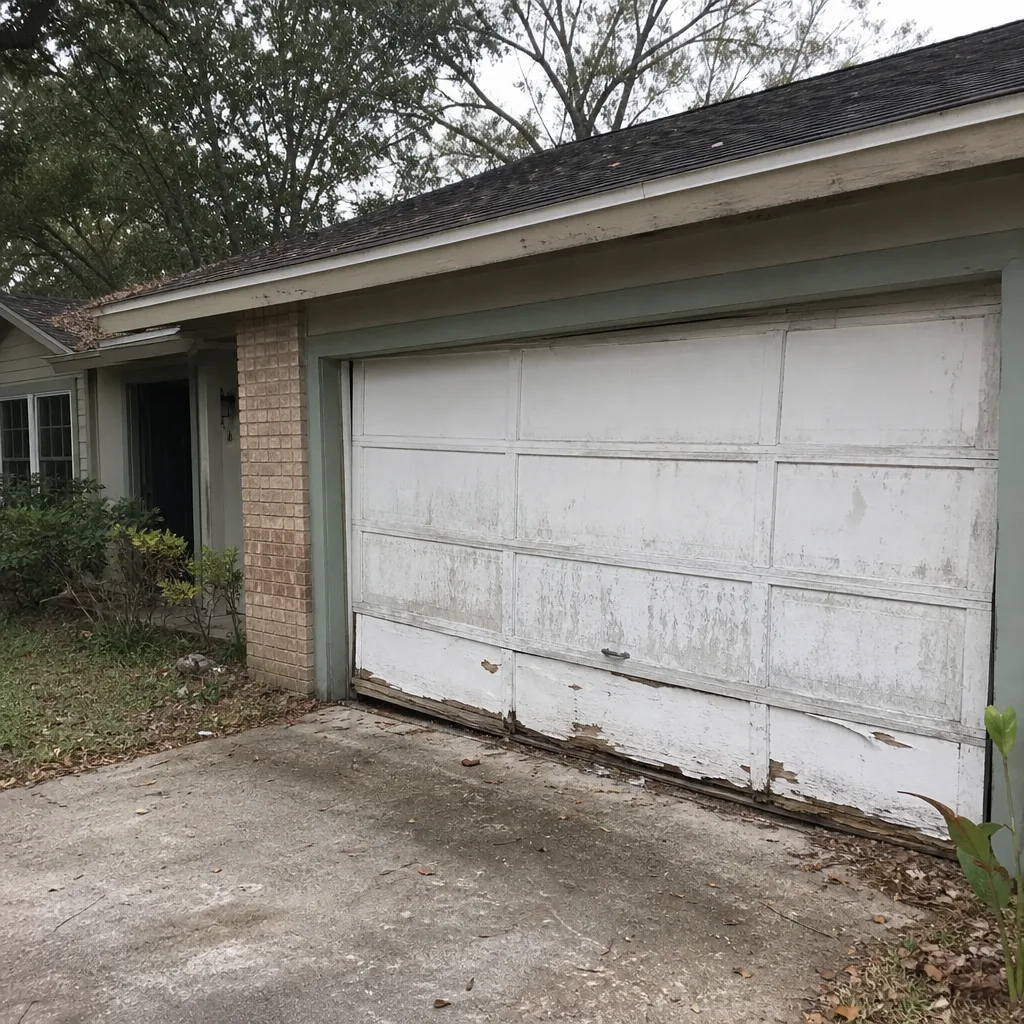 Before
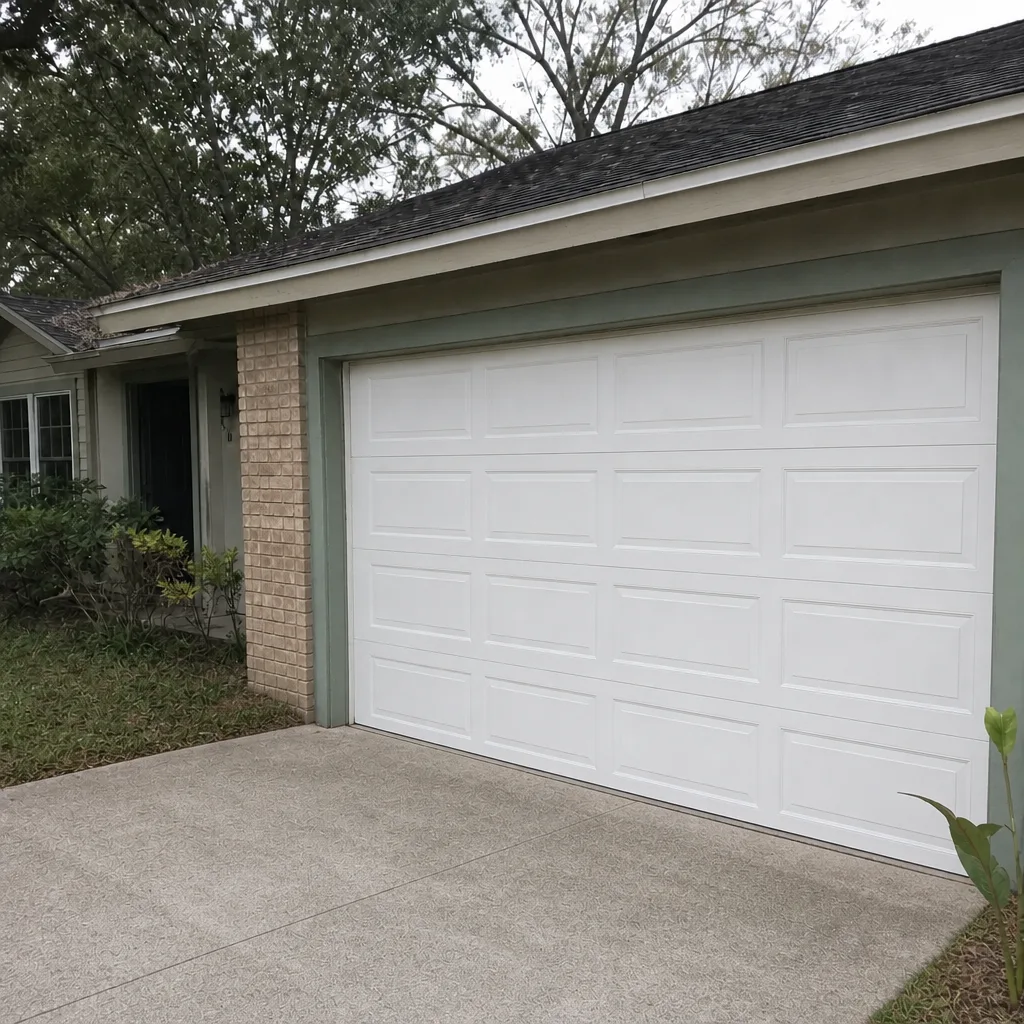 After
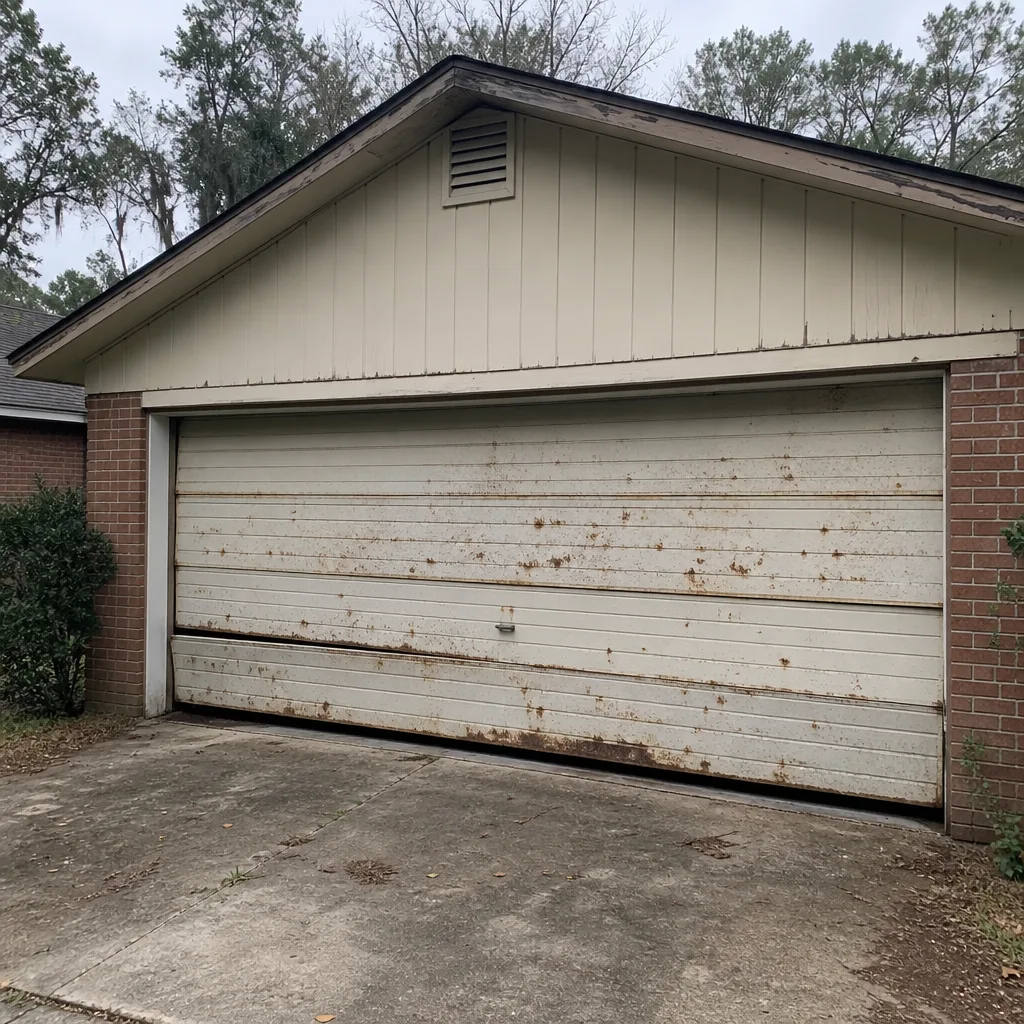 Before
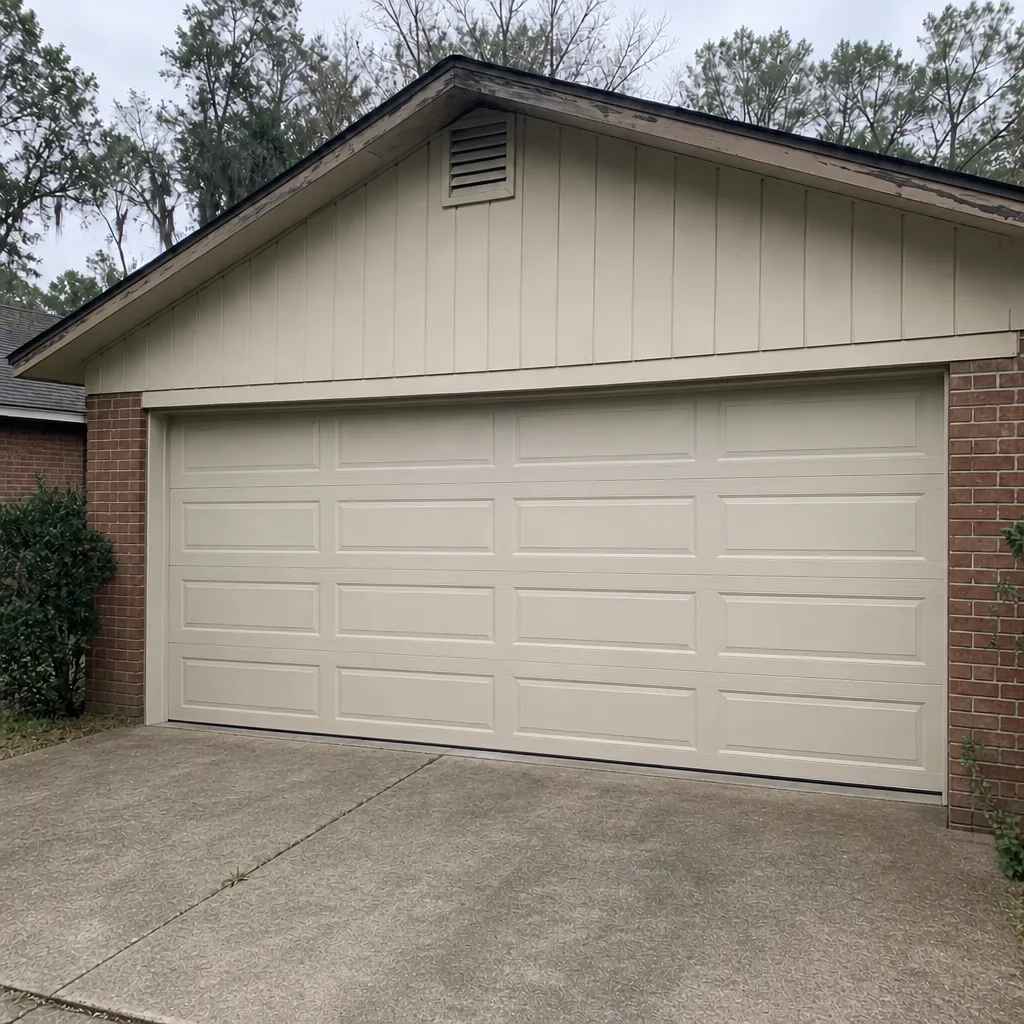 After
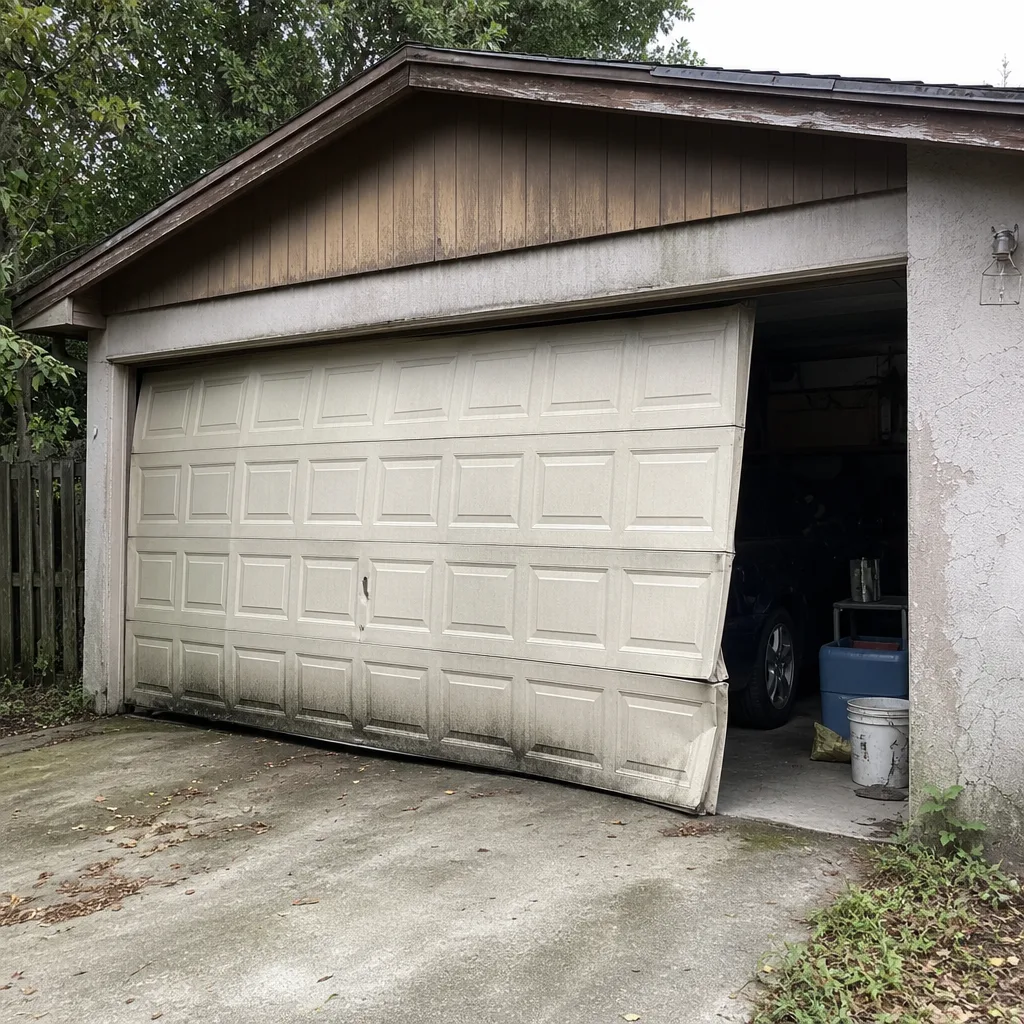 Before
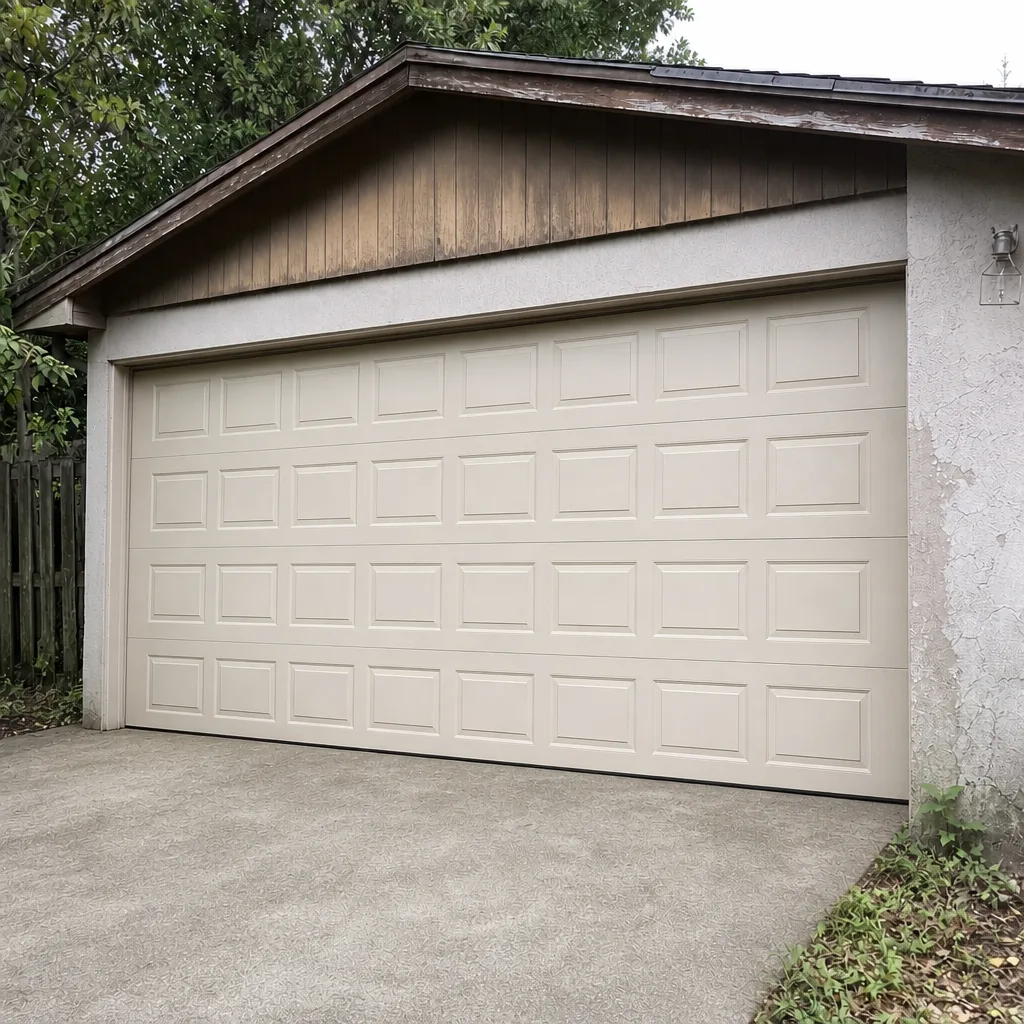 After
When to Call a Professional
Call a professional when the door won’t open or close, when it opens unevenly or binds, when you hear a loud snap from the spring area, or when the opener runs but the door doesn’t move. Those are the situations where the issue is mechanical, and the risk of DIY injury is real. Call when a door is off its track, when the bottom seal is letting water in and you’re not sure how to replace it, or when you’re planning a replacement and need a wind-rated door that will pass inspection. Gainesville Garage Door Repair Co offers free estimates in Gainesville at (844) 654-1981. Spring work in particular is not a DIY job; our technicians have up to 13 years of experience and handle torsion and extension springs as a dedicated specialty. Emergency response is part of what we do here, not a promise we pass off to a next-day callback.
Frequently Asked Questions
It depends on what’s changing: a like-for-like replacement in the same opening often doesn’t require a full permit, while a new installation or a change to the opening or wind rating usually does. Ask Alachua County’s building department before work starts, and keep the manufacturer’s design-pressure documentation on hand. If you’re unsure, call (844) 654-1981 and we’ll walk through the scope with you.
The door needs a design-pressure rating that matches the requirement for its specific opening and location, as set by the Florida Building Code and enforced through Alachua County. Because the number depends on the opening and site, confirm it with the building department before you buy. A door that doesn’t carry the right rating won’t pass inspection, so it’s worth checking before you pay for anything.
Homes built before roughly 1990 were framed to standards that have since shifted, so openings are often a few inches off modern nominal sizes. Measuring the actual opening on site is the only reliable way to order correctly. We start every replacement with a free measure for exactly that reason; call (844) 654-1981 to schedule one.
A few times a year is a reasonable baseline here, since humidity accelerates corrosion on springs, hinges, and rollers. Use a garage-door-specific lubricant rather than grease. If your door is noisy or stiff between services, that’s a sign to call for a check; (844) 654-1981 gets you a free estimate.
Same-day service is often possible for repair calls, depending on scheduling. We answer 24/7, with fast dispatch from 7am to 7pm, Sunday through Friday. For an exact time, call (844) 654-1981.
Repair first, replace only when it makes sense: a door with sound panels and working springs is usually worth fixing, while a door with structural damage or a rating that can’t meet current requirements is a replacement candidate. We’ll give you an honest read on which side of that line your door is on. Call (844) 654-1981 for a free estimate.
The Bottom Line
Garage doors in Gainesville are a system built for a specific place, and the three factors that matter most are the ones generic guides skip: a material that resists a humid climate, a wind rating that meets Alachua County’s design pressure, and a size measured on the actual opening rather than assumed from a catalog. Get those right, keep the hardware lubricated and the seals intact, and the door will hold up through the summer. Get them wrong and the repair bill comes sooner than you’d like. Gainesville Garage Door Repair Co works on LiftMaster, Chamberlain, Genie, and Clopay systems as a garage door specialist, not a handyman service. Call (844) 654-1981 for a free estimate. We answer 24/7, with fast dispatch from 7am to 7pm, Sunday through Friday. See our Gainesville Garage Door Repair Co page for the full range of services.
Written by the team at Gainesville Garage Door Repair Co.