
Last updated November 22, 2026
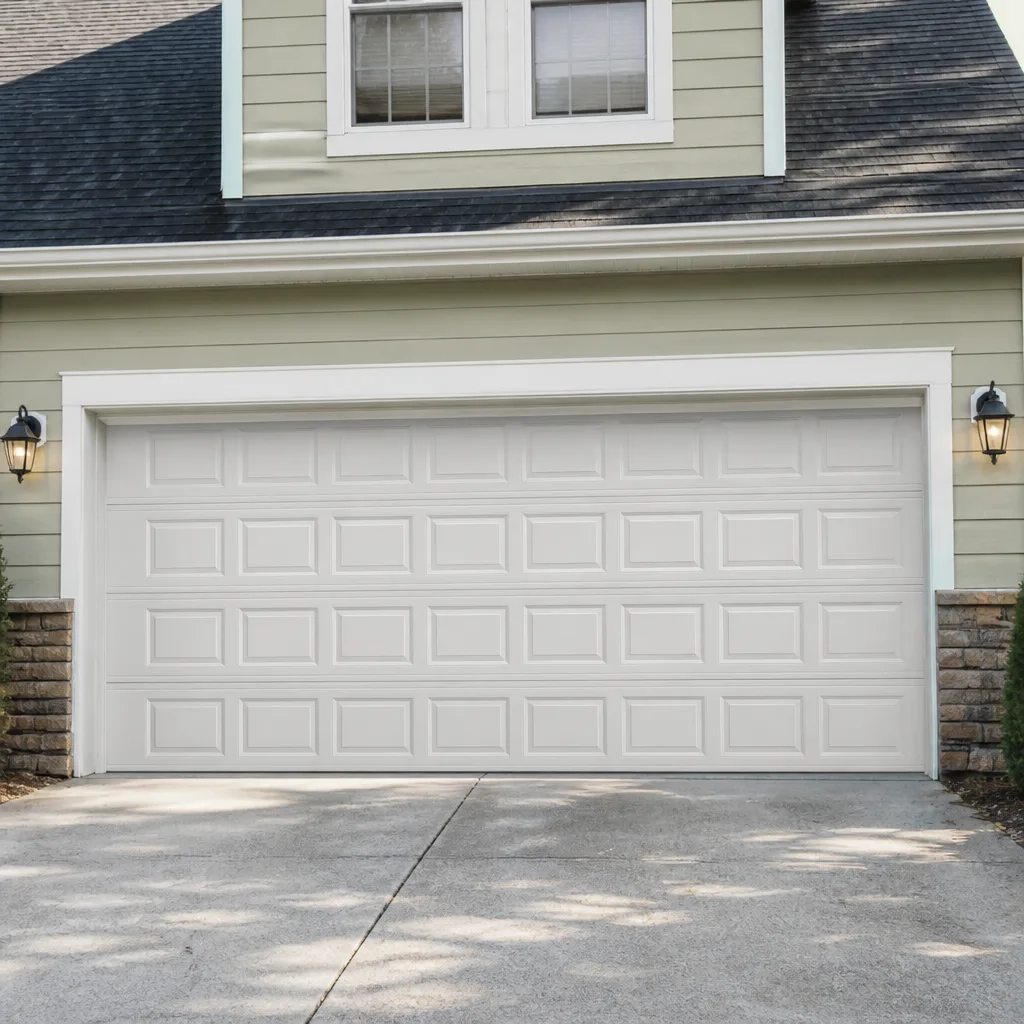 Raised-panel steel
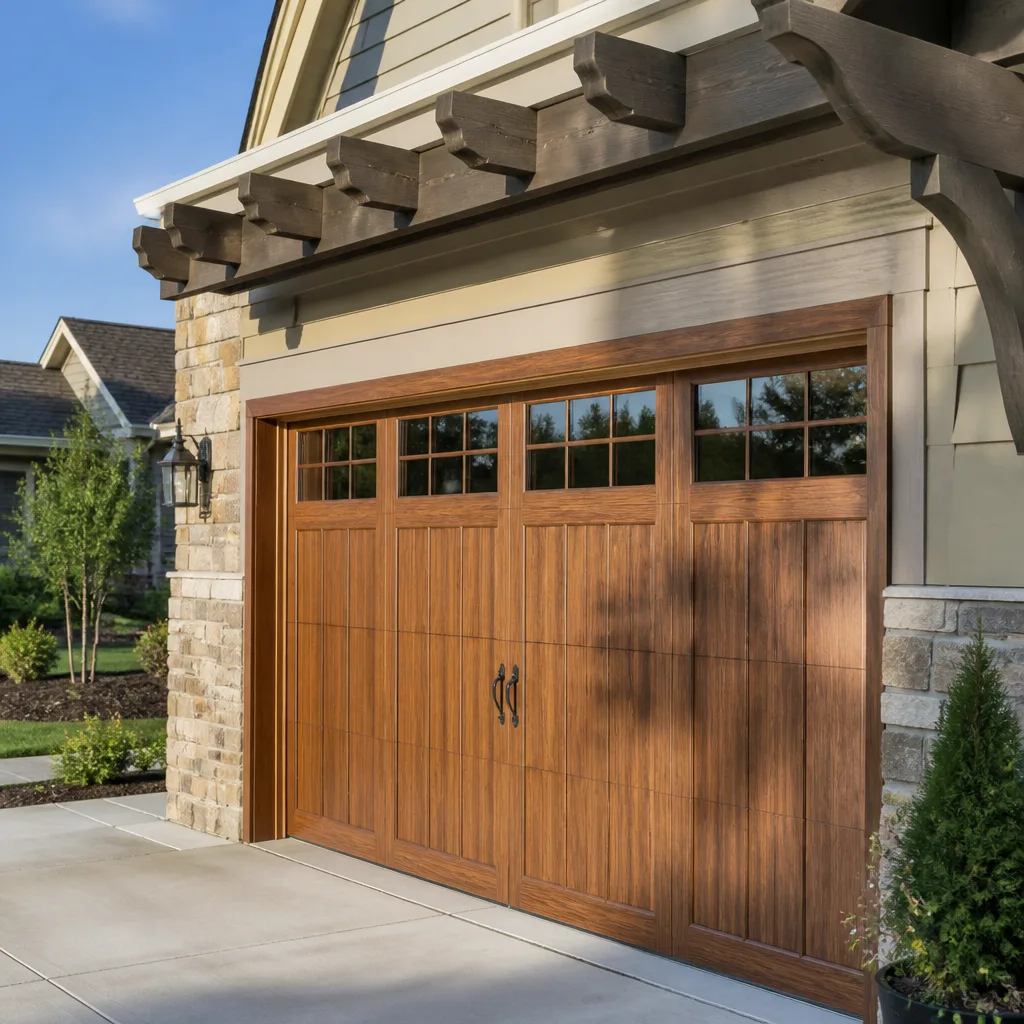
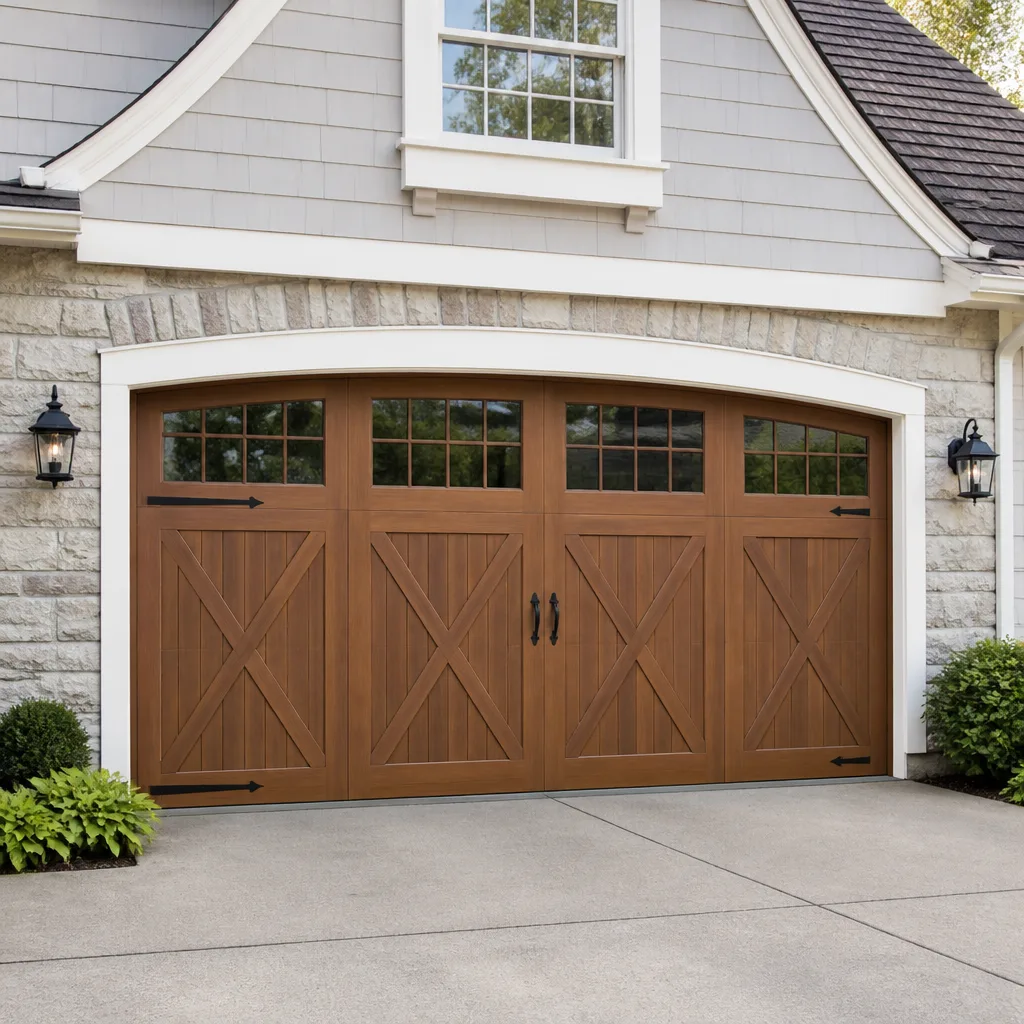 Carriage house
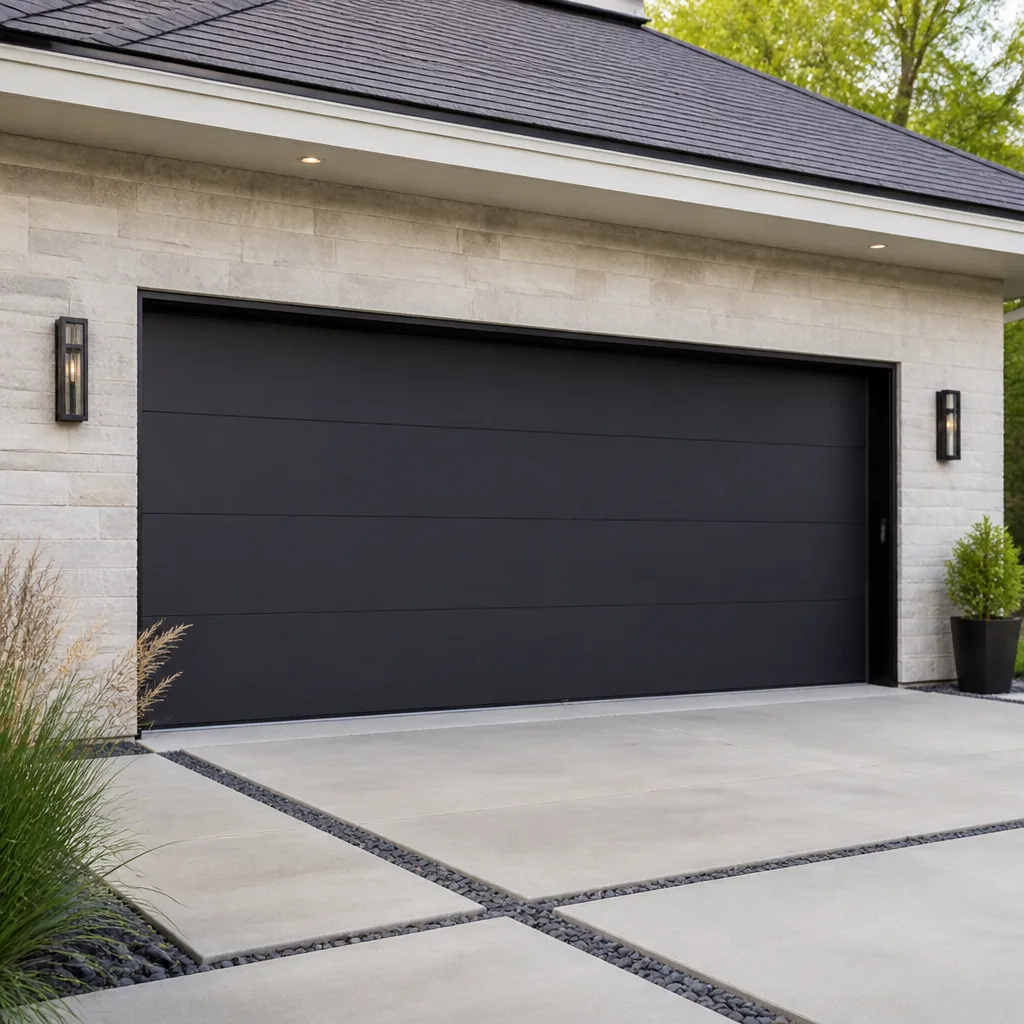 Modern flush
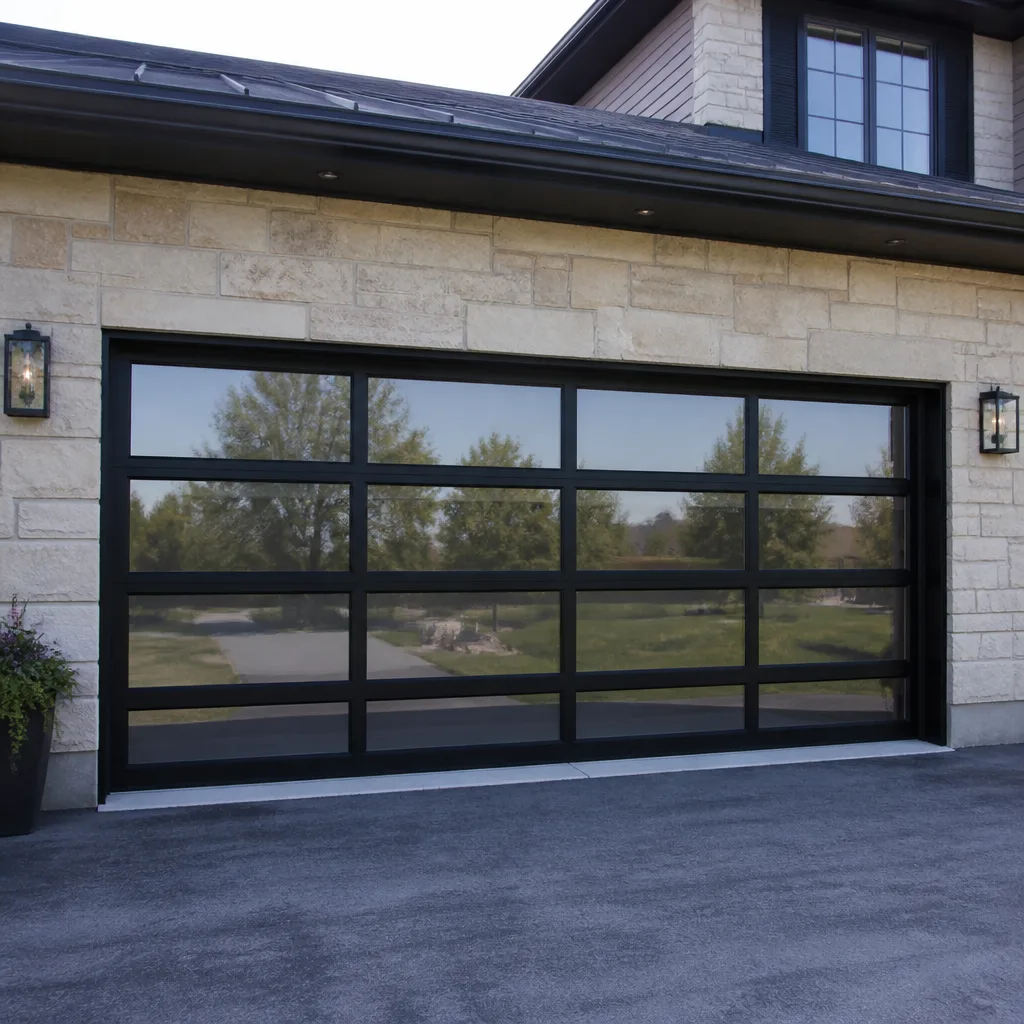 Full-view glass
 LiftMaster openers
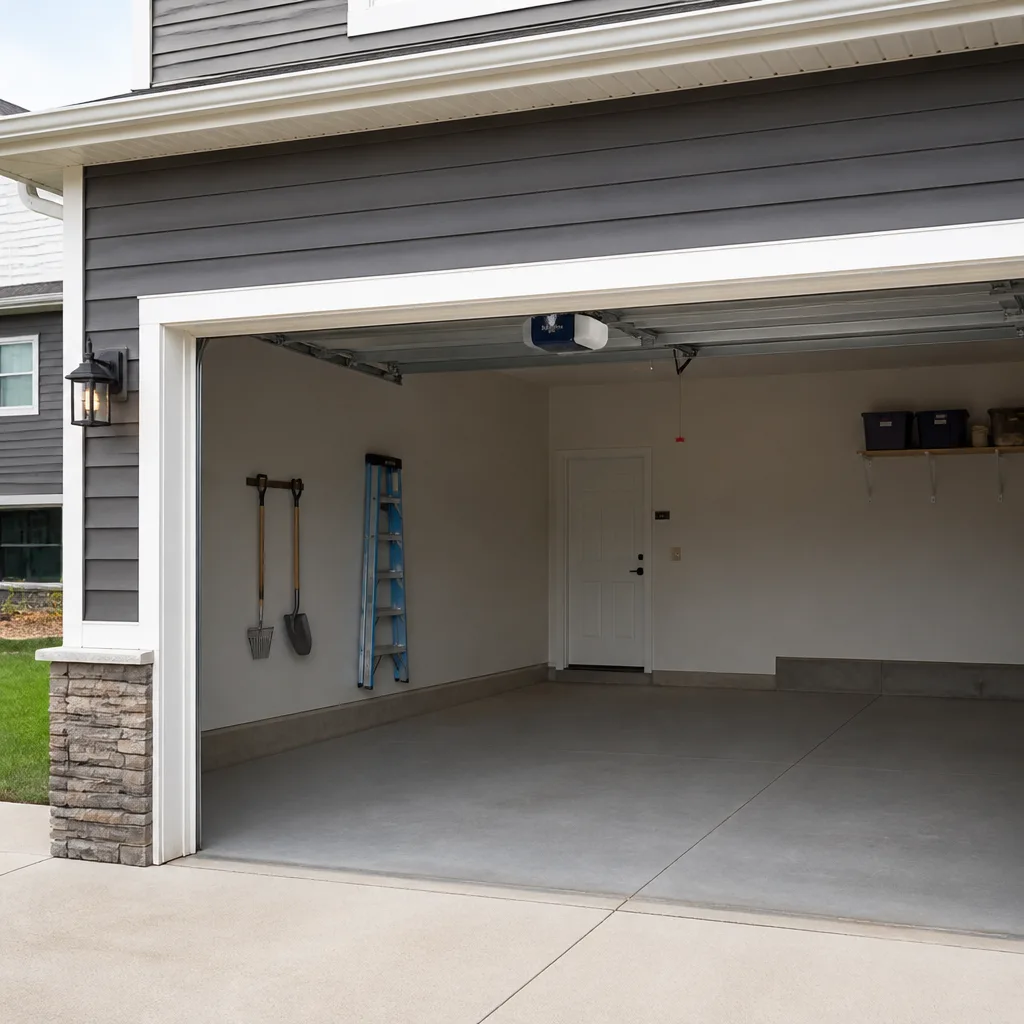 Chamberlain openers
Full 25-point door and opener safety check with every visit - springs, cables, rollers, tracks, and your LiftMaster or Chamberlain opener included
You get a price before we start. It does not change when the pro arrives.
Get your free estimateSeasonal Garage Door Care for Gainesville: Year-Round Homeowner’s Guide
Most garage door care advice was written for a place with four roughly equal seasons, and it lands sideways in Gainesville. Telling a homeowner here to “winterize the door in October” misses the point. The real stress on a Gainesville door comes from a wet season that soaks wood frames for months, a dry season that pulls them apart, a hurricane window that asks more of the door than any temperature ever will, and a short cold snap that gum-ups lubricant that was perfectly fine in July. Four very different problems, four very different fixes. This guide walks the year the way Gainesville actually experiences it, so you know what to check and when.
Quick Answer
Seasonal garage door care in Gainesville follows the local calendar, not a generic template. The two highest-value tasks each year are re-lubricating springs and rollers before the first heat of May and June, and inspecting weatherseal adhesion and wood-frame gaps as humidity swings between the wet and dry seasons. The hurricane window from June through October adds a third task: confirming that the opener’s manual release works and that the door hardware holds under wind load, because a failure there is a security and safety problem, not a convenience one.
Styles & brands we work with
- Raised-panel steel
- Carriage house
- Modern flush
- Full-view glass
- LiftMaster openers
- Chamberlain openers
Table of Contents
- The Gainesville Seasonal Calendar at a Glance
- May and June: Preparing for the First Heat Wave
- June Through October: The Hurricane Window
- November and December: The Dry Season and Wood-Frame Gaps
- January and February: The Brief Cold Snap
- Year-Round: How Daily Temperature Swings Accelerate Metal Fatigue
- A Month-by-Month Maintenance Checklist
- Common Mistakes to Avoid
- When to Call a Professional
The Gainesville Seasonal Calendar at a Glance
Gainesville doesn’t run four equal seasons. It runs a warm wet season from roughly June through September, a cooler dry season through the late fall and winter, a hurricane window that overlaps the wet months, and a short cold stretch around January and February that many homeowners barely prepare for until it arrives. Gainesville Garage Door Repair Co works these seasons every year, and the pattern in service calls follows the weather closely. Doors that were quiet in March get sluggish by July. Doors that sealed tight in October start whistling by New Year. Doors that held through the dry months start catching at the track after a stretch of wet weather. None of this is mysterious once you map the tasks to the calendar.
What tends to be missing from most garage door advice is the specific timing that applies here. High heat is not just uncomfortable for people; it relaxes and stresses metal at a different rate than spring. Long humidity stretches affect wood panels and seals differently than steady dry air. Cold snaps in Gainesville are brief, but they happen, and the cold-side of the lubricant calendar is short enough that most homeowners skip it entirely.
- Wet season (June – September): humidity, storms, hurricane readiness, weatherseal checking, track alignment after wind events
- First heat push (May – June): spring and roller lubrication before the sustained heat arrives
- Dry season (November – December): wood-frame gap checks, seal and threshold adjustment as humidity drops
- Cold snap (January – February): sensor and roller check, cold-rated lubricant, balance testing on cool mornings
- Year-round: balance tests, safety-reverse checks, and hardware torque on hinges and brackets
Because Gainesville sits inland and stays warm much of the year, doors here don’t get the hard, long-freeze test that doors farther north do. The wear patterns are different, and the maintenance needs to be different too. That’s the whole point of this guide.
May and June: Preparing for the First Heat Wave
The single most useful garage door task you can do in Gainesville each spring is re-lubricating moving parts before the first sustained heat arrives, and the calendar matters. The doors that feel heavy and sticky in July are usually the same ones that were fine in March, because metal expands, lubricant thins, and torsion spring tension behaves a little differently once the door’s own hardware has been baking for weeks. Greasing in October doesn’t help with that; greasing in May does.
What high heat actually does to a torsion-spring door is subtle. The spring itself is steel under constant load, and its calibration was set when the door was installed at some earlier temperature. As the surrounding metal and the door panels warm up, the load geometry shifts just enough that a door which needed a small push from the opener can start to feel sluggish. On a garage door opener repair call in June, we often find the opener is fine and the door is out of balance with the season.
What to do before the first scorching week:
- Disconnect the opener and test the door by hand. With the door closed, pull the manual release. Lift the door slowly. If it feels heavy or won’t stay put roughly at waist height, balance is off and shouldn’t wait.
- Lubricate hinges, rollers, and the torsion spring coil. Use a garage-door-rated lubricant, not general household oil. Light oil thins fast in heat and attracts grit in Florida’s humid air.
- Inspect rollers for flat spots. Nylon rollers handle heat well; worn steel rollers can develop flats that cause a rattle at the top of the cycle.
- Torque the hinge and bracket bolts. Heat cycles loosen hardware slowly. A quick pass with a wrench tightens things that will otherwise rattle for the whole summer.
- Test the safety reverse. Put a small block of wood flat under the door and let it close. The door should reverse on contact. If it doesn’t, stop using the opener until it’s fixed.
For a garage door spring repair, spring work is not a DIY job. Torsion springs carry enough stored energy to injure a person seriously, and this is one of the highest-risk repairs in the trade. Lubricate the coil by hand and leave the adjustment and any replacement to a trained technician.
June Through October: The Hurricane Window
Gainesville is inland, but the hurricane window is real and it runs roughly June through October. The right prep for that window is not exotic. It’s three concrete checks: does the manual release work, is the door hardware solid, and is the weatherseal intact enough to keep wind-driven rain out of the cavity.
Here’s how to walk through pre-storm prep in order:
- Test the manual disconnect. Pull the release handle on the opener carriage and try lifting the door. If it won’t disengage cleanly, you can’t operate the door by hand if power goes and the opener fails. Re-engage by cycling the door with the opener, then test again.
- Check hinges, brackets, and the bottom roller carrier. These are the parts that hold under wind load. Loose hardware is the first thing that lets go in a gust.
- Look at the weatherseal along the sides and bottom. A seal that’s peeling is a small annoyance in calm weather and a rain-intrusion point in a storm.
- Clear the tracks and check for obstructions. Debris in the track during a wind event can bend the vertical track and lock the door mid-cycle.
- Note the door’s condition before the storm. If anything gets damaged, knowing pre-storm condition helps when you (or the pros) assess what failed.
If wind damage happens mid-storm, the safe move is to leave the door alone until the weather clears. Trying to lift, brace, or force a door that has come off track or bent during high wind is how people get hurt. Wait, then assess. A door that’s off track, bowed, or dragging is a stop-now condition and needs a technician, not a homeowner with a pry bar.
Reinforcement options exist for doors that are rated for it, but the answer is never a generic kit bolted to any door. A brace that isn’t rated for your door panel and hardware can concentrate wind load in the wrong place and make damage worse rather than better. LiftMaster and Chamberlain openers on newer doors often have smart-home features that help you confirm the door is closed during a storm, which is genuinely useful; it doesn’t turn the door into a storm-rated assembly. If you want reinforcement, ask a specialist to look at the door as a system before installing anything.
November and December: The Dry Season and Wood-Frame Gaps
As the wet season ends and humidity drops through November and December, wood-frame garage doors start to lose moisture and shrink slightly. Panels that sat tight in August can gap a fraction of an inch by December, and that small gap is enough to let in cold air, dust, and the occasional persistent insect. Steel and aluminum doors don’t shrink, but their weatherseals can still lift as the wood jamb moves underneath.
What to check and adjust in the dry season:
- Weatherseal contact along the sides. Run your hand down the inside of the jamb. If you feel air moving in a closed door, the seal is no longer making contact.
- Bottom seal compression. With the door closed, check that the rubber seal flattens against the floor across its full width. Lifting corners mean it’s time to adjust the bottom bracket or replace the seal.
- Panel gaps and finish condition. On a wood door, look for spots where the finish has cracked along the joints between panels. Bare wood in a dry season cracks faster than finished wood.
- Track alignment after seasonal wood movement. When a wood jamb shrinks, the track’s relationship to the jamb shifts a little. A door that rubs in December didn’t necessarily change; the frame around it did.
- Hinge lubrication again. Cooler air after a humid season often turns old lubricant gummy. A quick pass in November prevents the hard start you’ll otherwise hear in March.
If the door is a Clopay or Amarr wood-composite model, the “shrink” is smaller, but the seal issue still applies. On a full wood door, the adjustments are more noticeable. Neither is a “failure”; it’s seasonal behavior, and the right response is to adjust the seals and tracks to match, not to replace the door because it “suddenly doesn’t fit.”
For a door that’s out of balance and doesn’t want to stay up on these cooler mornings, schedule a garage door repair check before the dry season turns into a bigger issue.
January and February: The Brief Cold Snap
Gainesville does get cold stretches in January and February, and they’re short enough that most homeowners miss them in the maintenance calendar. That’s a mistake, because the cold changes how two things behave: lubricants and sensors. Standard lubricants that worked well at 85°F can thicken dramatically below about 35°F, and rollers on aged lubricant start to drag. Safety sensors that were fine through the warm months can be tripped by a small sheet of condensation on the lens on cold mornings, or by debris that only becomes a problem when the lens fogs.
What’s worth doing on the cold mornings:
- Test the safety sensors at the start of the cold season. Wipe the lenses with a dry cloth, then break the beam with your hand and confirm the door reverses. If it doesn’t, stop and get it fixed.
- Look for lubricant that’s turned dark or thick. On rollers and hinges, this is the tell that the cold has set in and the lubricant needs to be replaced with something rated for a wider temperature range.
- Test the balance on a cold morning. If the door suddenly feels heavier on the first cold day and fine by noon, the behavior is temperature-related, but the door still needs professional evaluation if it’s out of spec. Don’t “wait for spring.”
- Clear the tracks of grime. Cold air doesn’t move grime out of the tracks; it settles. Wipe the track surfaces with a clean rag and re-lubricate lightly.
On the coldest mornings, some doors will operate sluggishly for a few cycles and then smooth out. That’s usually temperature. A door that is consistently sluggish across a whole cold stretch, or that hums without moving, is a different problem and needs a technician. The Genie and LiftMaster openers we service most on January calls are usually fine; the door hardware needs attention, not the opener.
Year-Round: How Daily Temperature Swings Accelerate Metal Fatigue
Here’s the piece most seasonal guides leave out, and it matters most in Gainesville. Florida spring and fall bring large twice-daily temperature swings, warm afternoons and cooler nights, and this cycle runs far more often than in a steady-climate region. Every swing is a small expansion and contraction of the door’s steel components: the spring wire, the torsion bar, the hinges, the track. Metals in a door that cycles between, say, a hot afternoon and a cool night can accumulate fatigue faster than the same door in a region where the temperature sits within a narrow band. This is not something to panic about. It’s something to compensate for.
The practical compensations:
- Inspect hardware more often in spring and fall. Use the swing season as your cue to look at hinge and bracket hardware and to re-torque where needed.
- Keep the balance check on a regular rhythm. Once every month or two through the swing seasons, test balance by hand as described above.
- Replace original fasteners that show wear. A cheap bolt that’s been cycling hundreds of times is a weak point. Replace when you see the head rounded or the threads dull.
- Watch for a slowly increasing “lag” from the opener. When the opener strains to raise the door more than it used to, the door is telling you the balance has drifted, which is often a fatigue signal.
The Raynor and Chamberlain door systems we see most often on Gainesville homes handle the swing cycle well when they’re maintained. They don’t handle it well if they’re ignored for a full year. The swing is manageable; it’s the “leave it” that accumulates into premature failure.
A Month-by-Month Maintenance Checklist
If you only do one thing with this guide, do this: set a calendar reminder for each of the check-ins below. Each one is short and doesn’t require tools beyond a wrench and a rag. Every cycle you skip lengthens the odds that a small adjustment turns into a repair.
- March: First spring-check. Balance test, safety-reverse test, visual inspection of hinges and track.
- April: Weatherseal inspection. Dry season is wrapping up and humidity is rising; check that seals still make contact.
- May: Pre-summer lubrication. Hinges, rollers, torsion coil. Torque loose bolts.
- June: Hurricane prep. Manual release test, hardware check, track clearance.
- July: Mid-summer balance check. The door has had a month of heat; re-test balance and watch for opener lag.
- August: Full visual inspection. Look at springs for rust or gaps, hinges for looseness, and rollers for flat spots.
- September: Post-peak-humidity weatherseal check. Wet season is ending; note anything that’s gapped or lifted.
- October: Hurricane season tail. Final release and hardware check before the dry season.
- November: Dry season adjustment. Check for wood shrinkage, seal gaps, and track alignment.
- December: Cold-weather prep. Replace aged lubricant, test sensors, verify balance.
- January: Cold snap check. Sensor lenses, cold-morning balance test, roller condition.
- February: Late-winter inspection and hurricane-season reset. Confirm nothing has loosened over the cool months.
This isn’t a schedule that requires an expert for every step. It’s the opposite: most of it is a five-minute check you can do on your own, and the two or three that need a specialist (spring work, balance adjustment on a torsion system) are flagged clearly. Our technicians have up to 13 years of experience and are the ones we recommend bringing in when the checklist turns up anything you’re not sure about.
Common Mistakes to Avoid
- Treating the door like an appliance you ignore until it breaks. A garage door is a mechanical system with springs, cables, rollers, and a balance point. In Gainesville’s swing-heavy climate, small balance drifts turn into hard failures faster than they would in a stable-climate market.
- Lubricating with whatever’s in the toolbox. Household oil and WD-40-thin products don’t hold up to a Florida warm season. They thin and run, leaving the metal dry right when the heat arrives. Use a garage-door-rated lubricant.
- Skipping the cold-snap sensor check. January condensation on the safety sensor lenses is one of the most common causes of “the door just stopped working” calls in the cold months. Wiping the lenses often solves it; ignoring it doesn’t.
- Forcing a door that’s off track after wind. This is the most dangerous single mistake on the list. A door that has bowed or jumped the track under wind load is under unusual stress and can fail suddenly. Leave it and call.
- Adjusting torsion springs by yourself. Spring repair is not a DIY job, and no amount of online tutorials changes that. The stored energy in a wound torsion spring can cause serious injury. Lubricate the coil, and let a technician adjust or replace the spring.
- Assuming a sluggish door means a failing opener. In our experience most “opener is dying” symptoms on Gainesville doors are balance drift that the opener is masking. Replacing the opener without fixing the door is a repair that won’t stick.
- Ignoring the wood frame in the dry season. A shrinking wood jamb in November and December is normal, but the seal and track adjustments that compensate for it aren’t optional. Skipping those adjustments through the dry season can leave a door whistling and dragging by March.
When to Call a Professional
Bring in a technician when the checklist turns up anything that isn’t a check-and-adjust. A door that won’t stay at waist height on the balance test, a spring coil with a gap or heavy rust, hinges that rattle despite re-torquing, a door that has visibly bowed, an opener that hums without moving, or a safety reverse that fails on test. Those aren’t maintenance items; they’re repair items, and the longer they sit the more they cost. For Gainesville owners on a torsion-spring door, the fast answer on spring adjustment or replacement is a dedicated call. We handle a full range of residential garage door work, including the LiftMaster and Chamberlain opener systems we repair frequently. Gainesville Garage Door Repair Co offers free estimates in Gainesville and handles both repair and full installation, so the same specialist stays with the door from diagnosis through the fix. Call (844) 654-1981. We answer 24/7. Fast dispatch from 7am to 7pm, Sunday through Friday.
See the difference
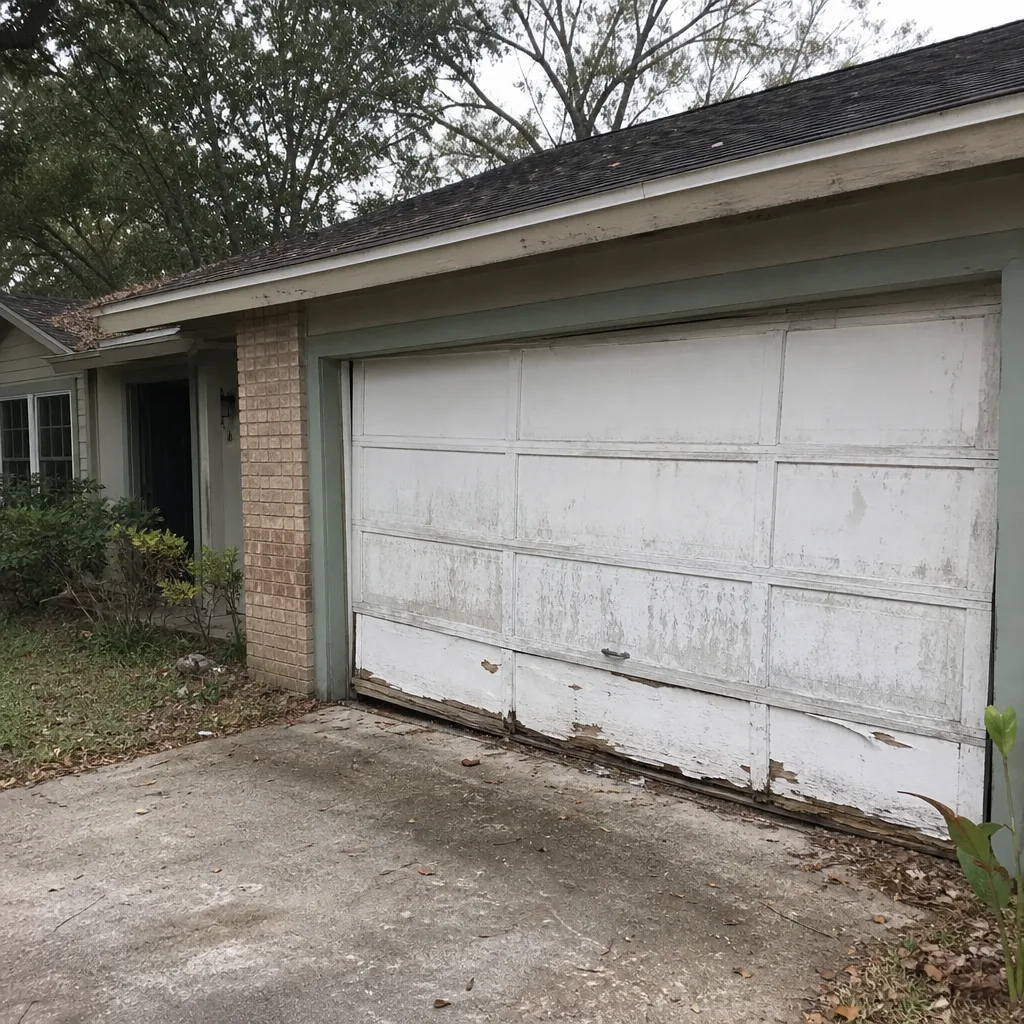 Before
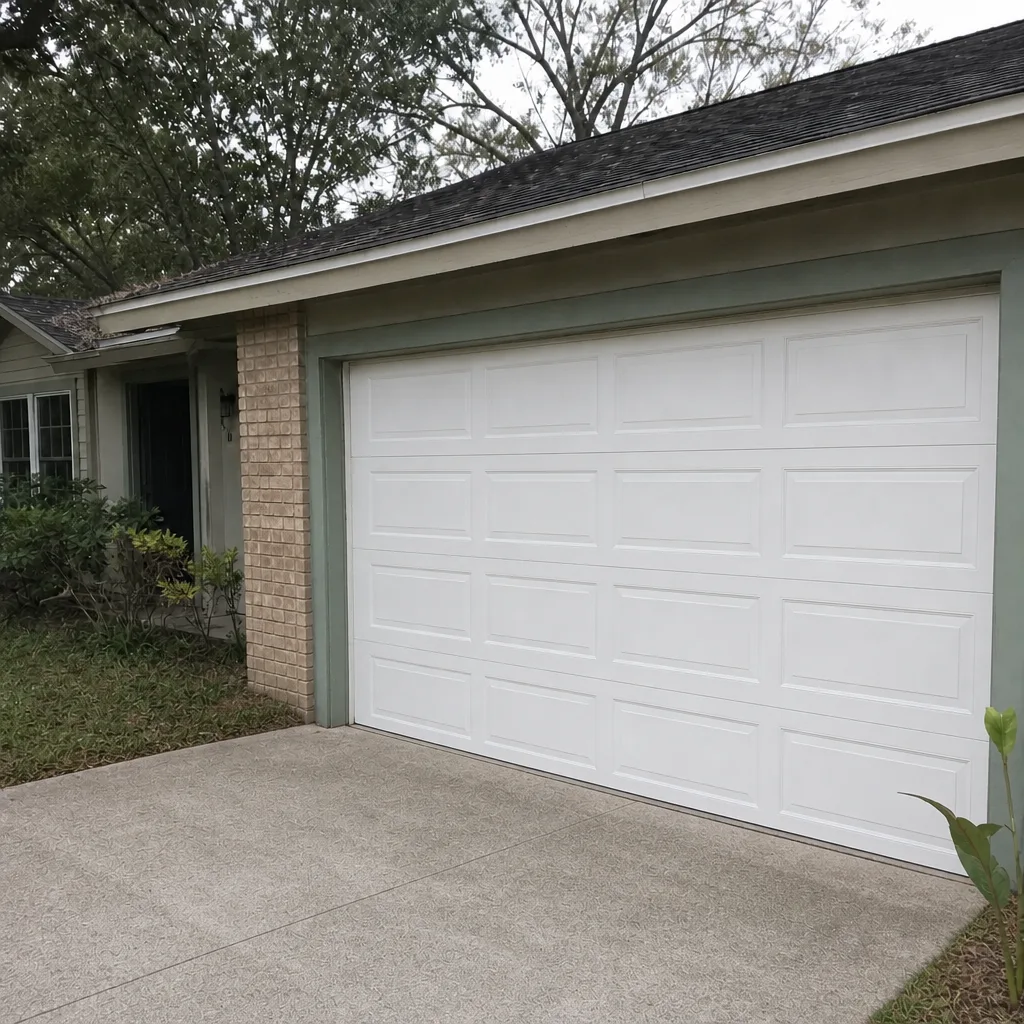 After
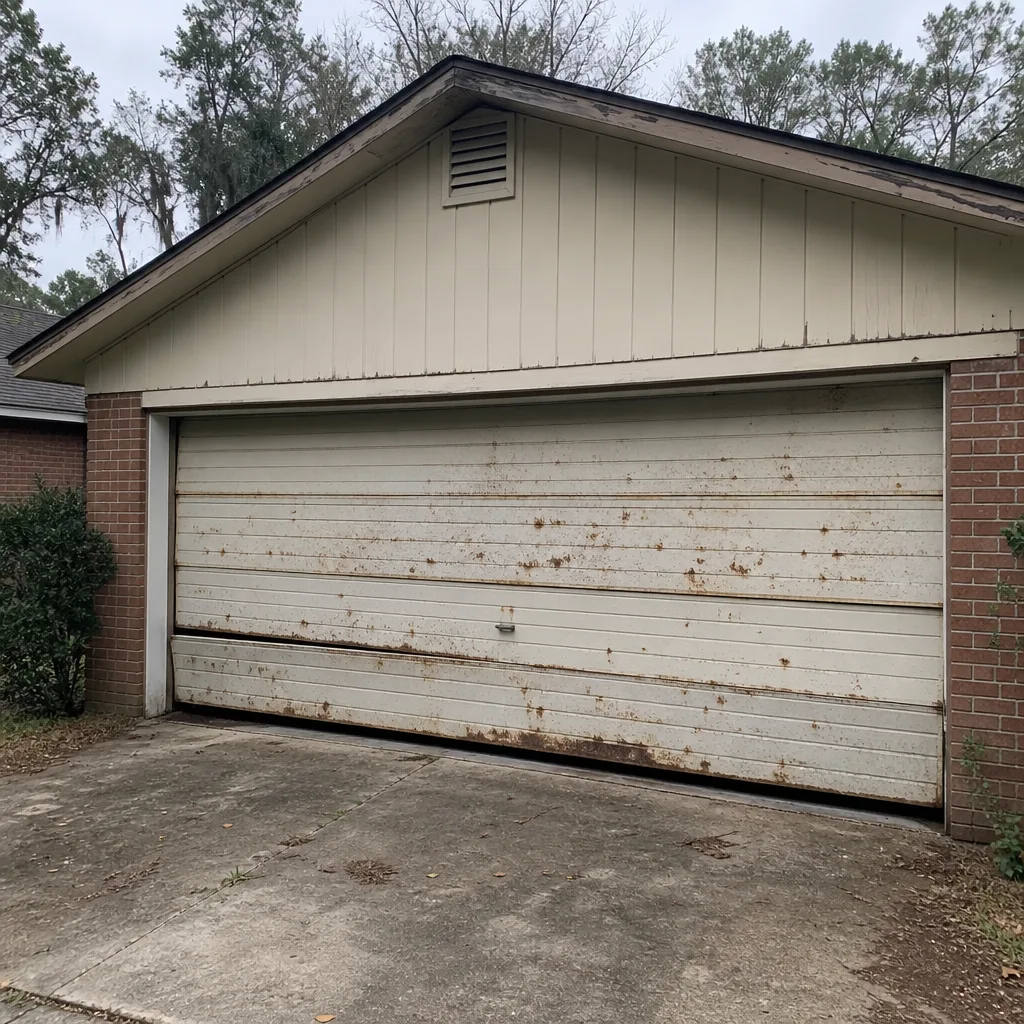 Before
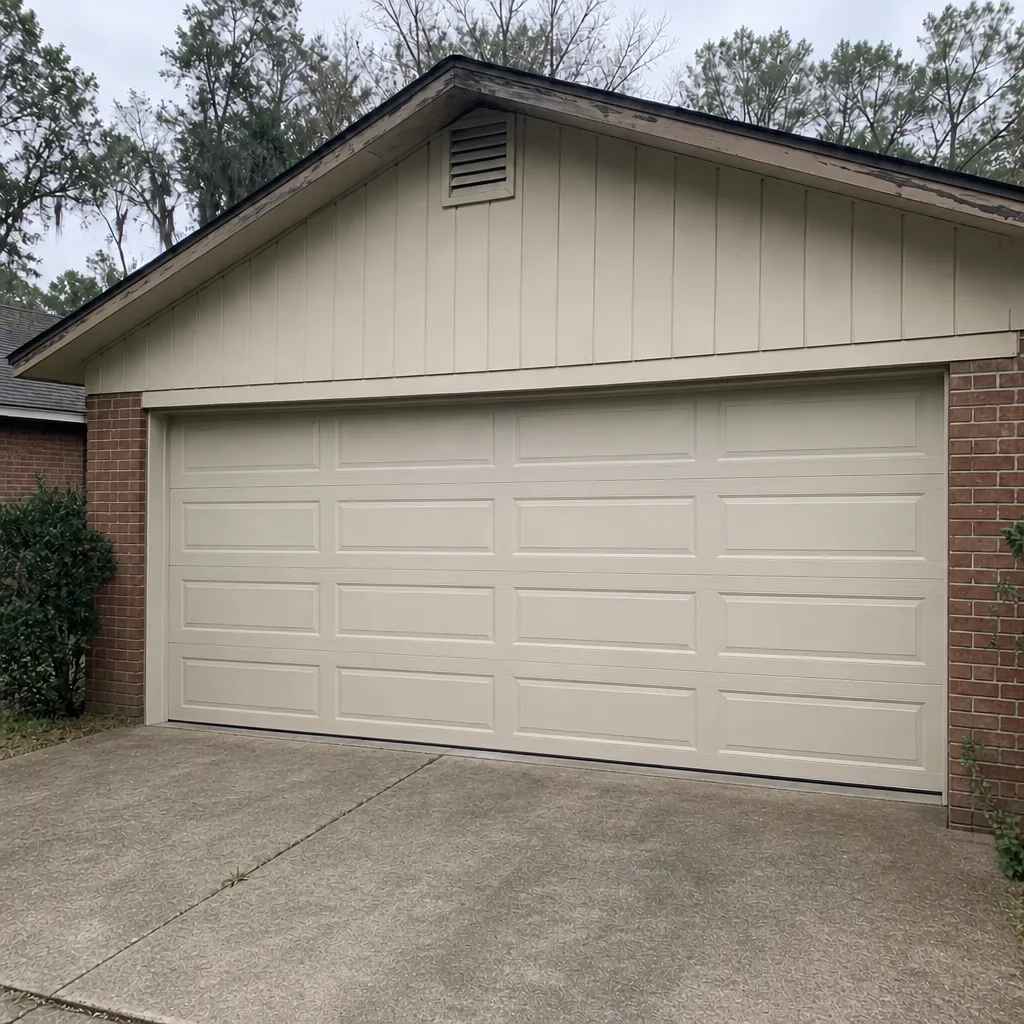 After
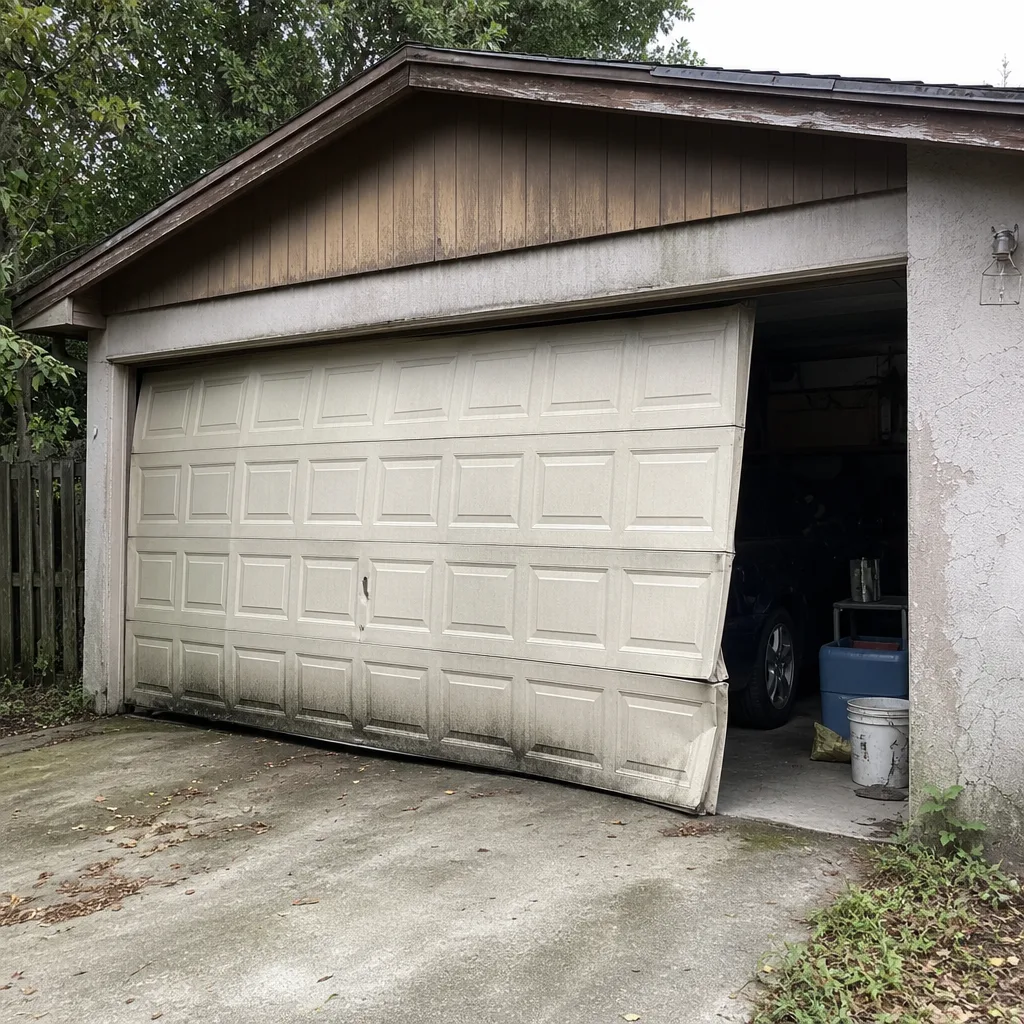 Before
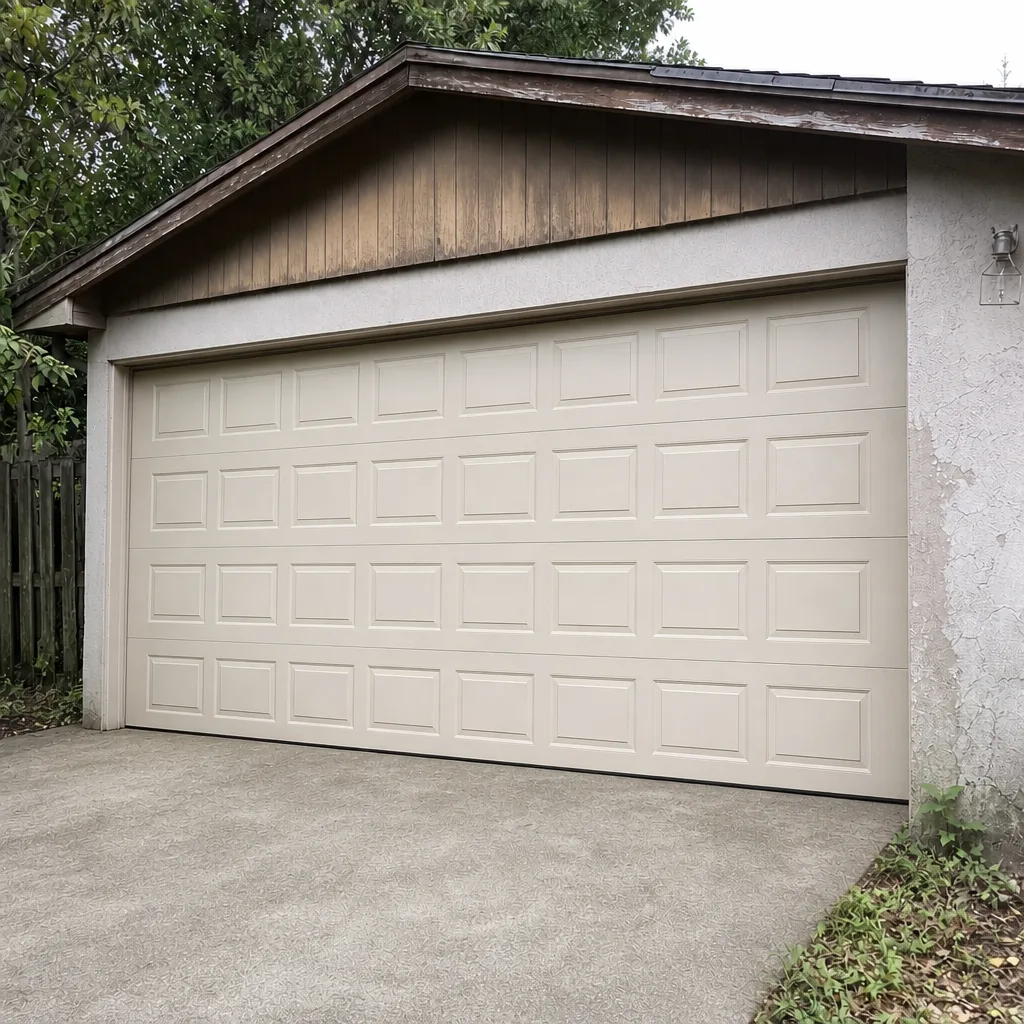 After
Frequently Asked Questions
Yes, but the maintenance is timed to Gainesville’s weather rather than a generic spring/summer/fall/winter template. The highest-value tasks here are lubrication before the May heat, weatherseal and wood-frame checks during the dry season in November and December, and hurricane prep from June through October. The rest of the year is a mix of quick visual checks and the twice-a-year balance tests that catch drift early.
There isn’t a single canned price because the work depends on what your door actually needs. A simple lubrication and adjustment visit is at the low end of the repair range; a visit that turns up a bad roller or an out-of-balance torsion door moves into repair pricing. The written estimate sets the price before any work starts, and the estimate itself is free. Call (844) 654-1981 for an exact quote.
That’s the heat effect described in this guide. Metal expands, lubricant thins, and the door’s balance drifts as the surrounding hardware warms up. The door isn’t broken; it’s slightly out of spec for the temperature, and the balance needs to be reset. If the door is on a torsion-spring setup, that’s a professional adjustment, not a homeowner one. A quick diagnostic visit is the fast answer, and the estimate is free.
Three things: test the manual release, check hardware torque on hinges and brackets, and clear the tracks. Reinforcement kits exist for rated doors but should not be installed blind; a poorly-matched kit can concentrate wind load in the wrong place. If you want reinforcement, have a specialist look at the door as a system first. If the door is damaged mid-storm, wait until it’s safe and then call for help rather than trying to move it by hand.
Yes, in a subtle way. Cold-morning condensation on the sensor lenses is one of the most common causes of a door that suddenly won’t close in January or February. Wiping the lenses with a dry cloth usually resolves it. If the door still won’t close after the lenses are clean, test the alignment with your hand breaking the beam. If it still misbehaves, that’s a technician call, and it should not be left, because the sensors are a safety function and not a convenience.
Lubrication and visual inspection of the coil, yes. Adjustment and replacement, no. A wound torsion spring stores enough energy to cause serious injury, and spring repair is one of the most dangerous jobs in the trade. This is the boundary line in this whole guide: gentle maintenance tasks like clearing tracks, replacing seals, or checking balance by hand are homeowner-appropriate; anything involving spring adjustment or replacement is not. Call (844) 654-1981 for a free estimate if a balance check turns up something.
The Bottom Line
The right seasonal rhythm for a Gainesville garage door is set by the local weather, not the calendar most guides were written to. The high-value tasks are lubrication in May, hurricane prep June through October, dry-season frame and seal checks in November and December, cold-snap sensor and lubricant checks in January and February, and a steady rhythm of balance and hardware checks through the swing seasons. Every one of the dangerous ones (spring adjustment, off-track repair, safety-reverse failures) has a clear “stop and call” signal that this guide spells out. Everything else is a five-minute check on a rainy afternoon. If your door is due for a tune-up or you’ve found something you’re not sure about, our team handles garage door opener repair and spring work as core specialties. Call (844) 654-1981 for a free estimate and a written price agreed before any work starts.
Written by the team at Gainesville Garage Door Repair Co.