
Last updated November 22, 2026
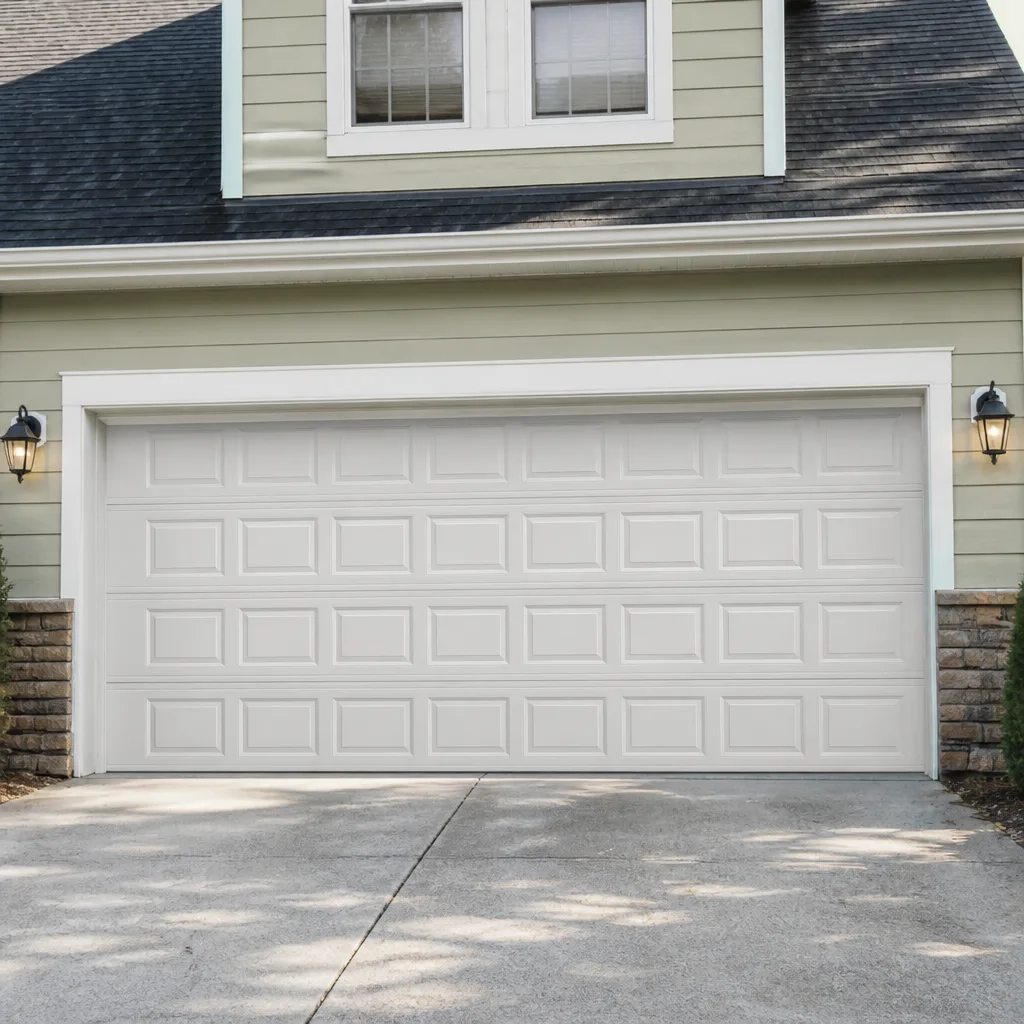 Raised-panel steel
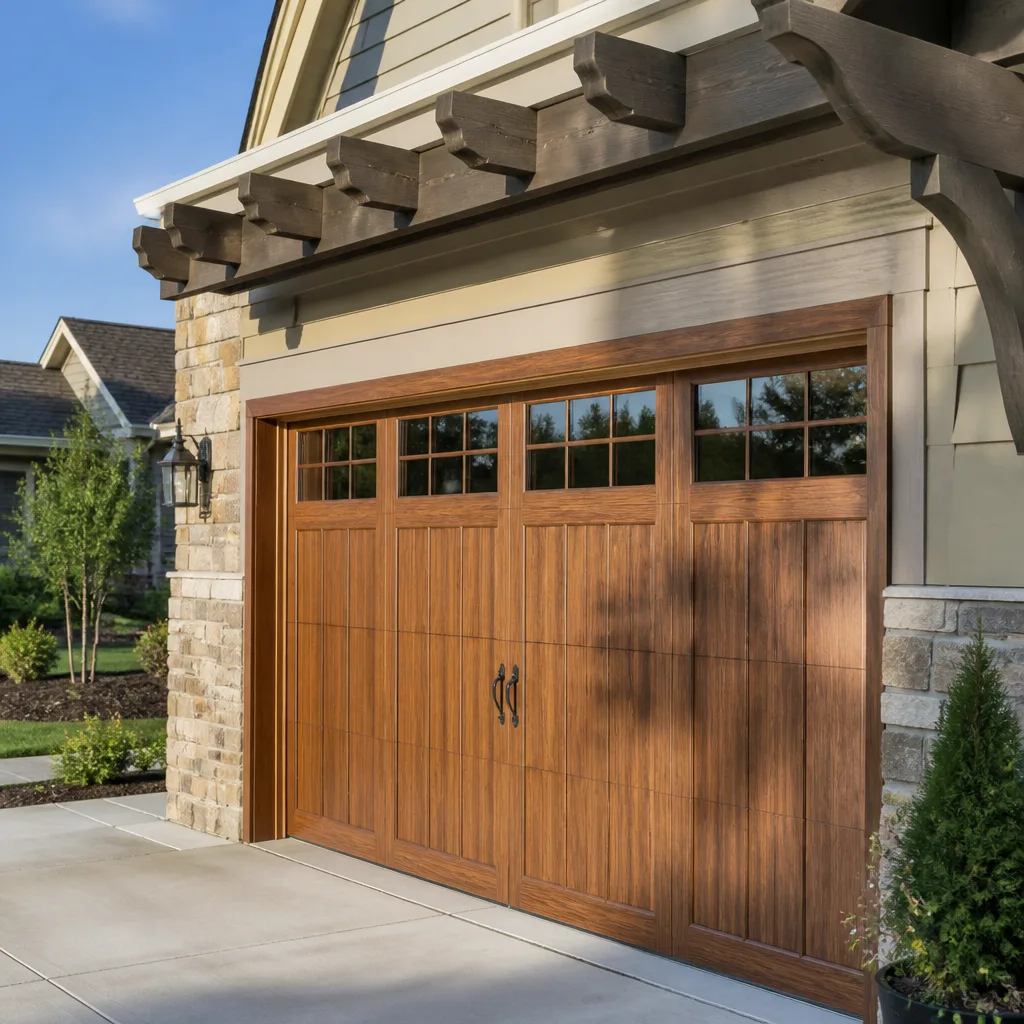
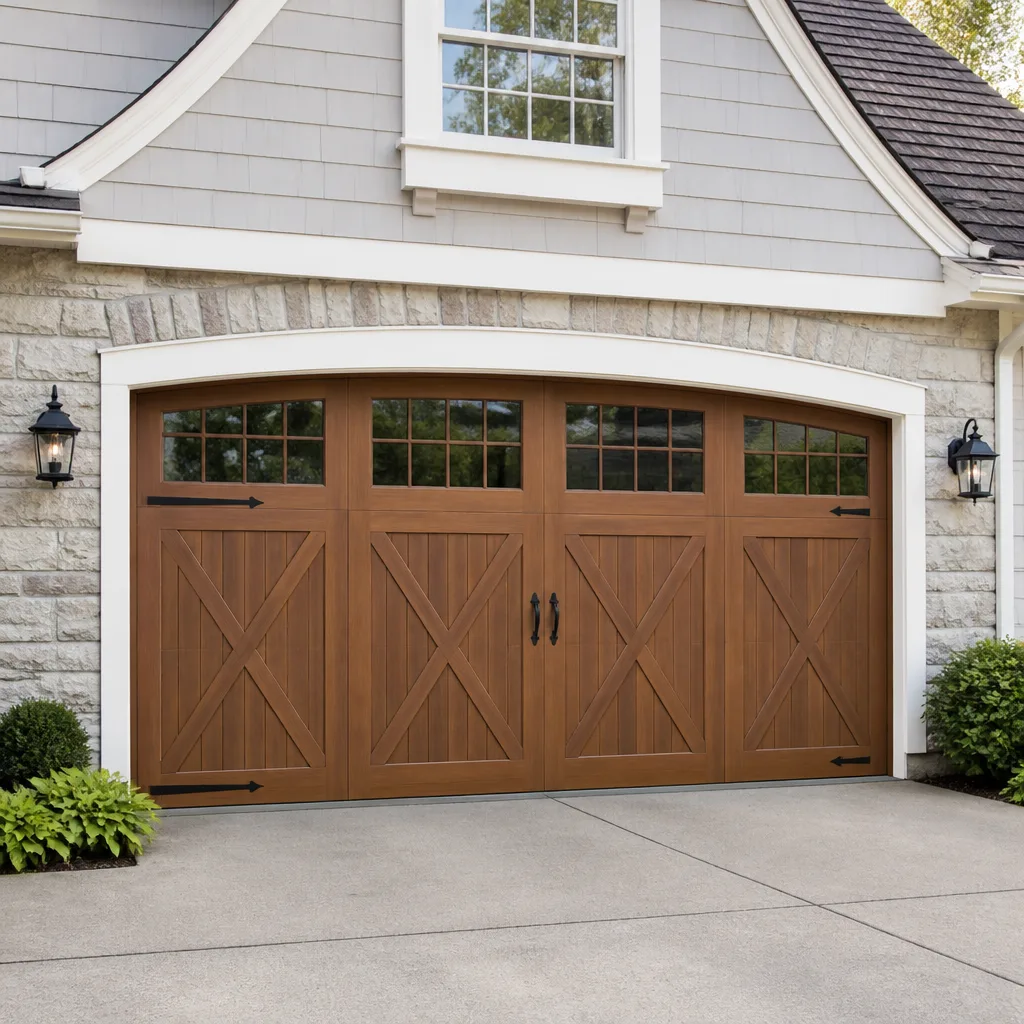 Carriage house
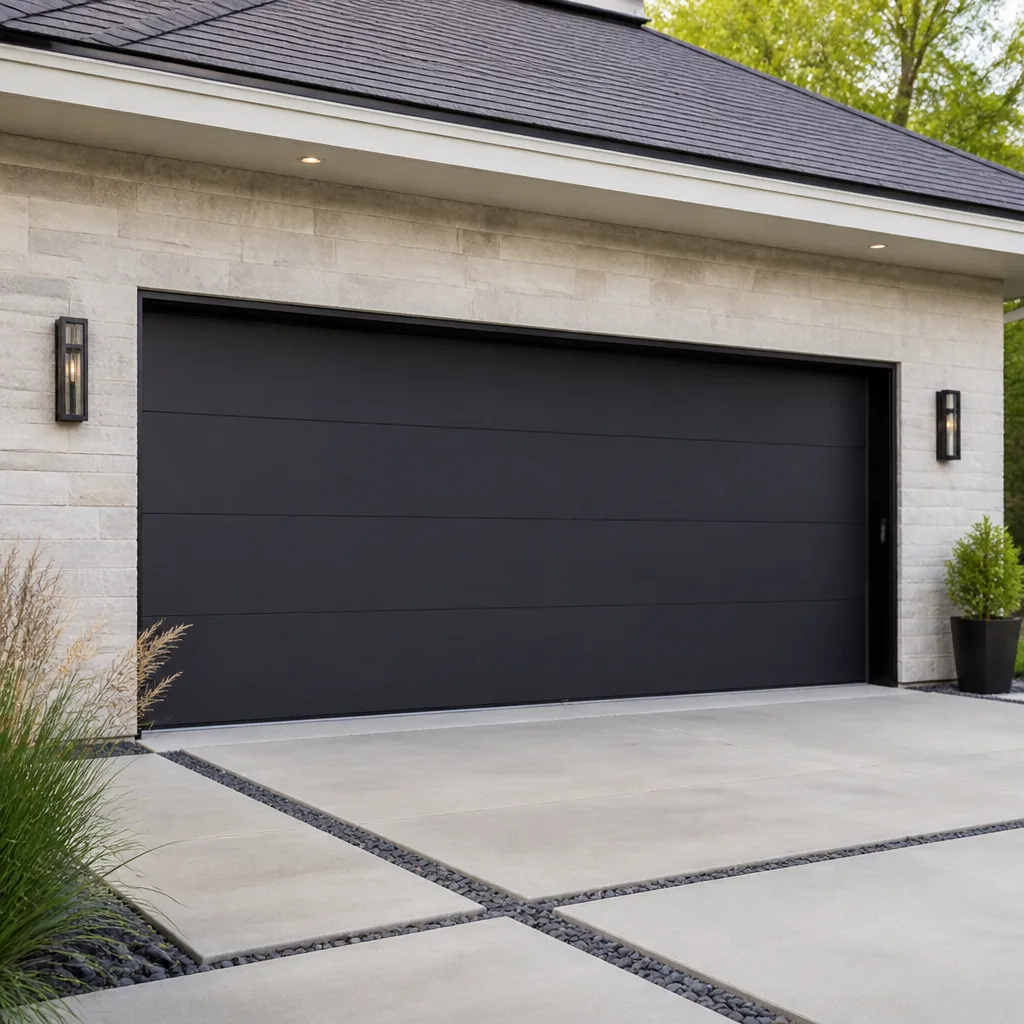 Modern flush
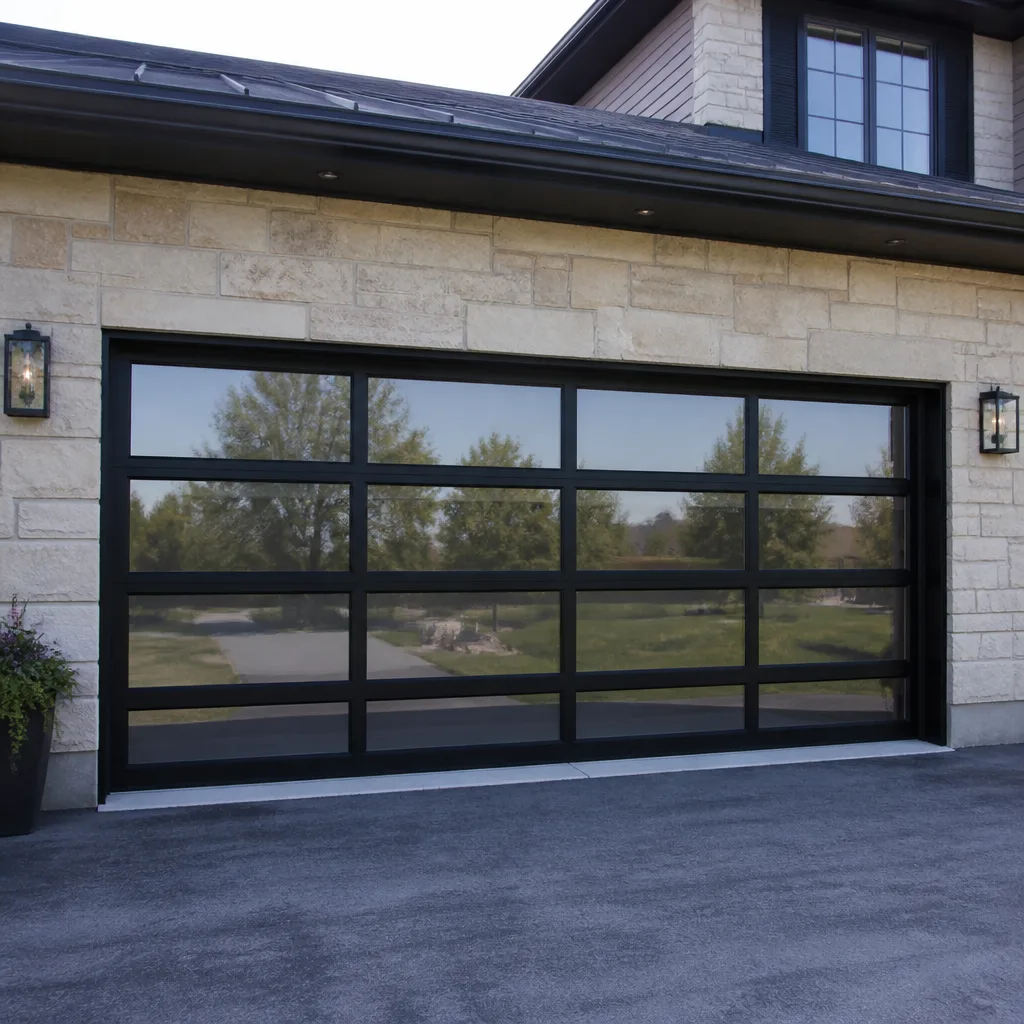 Full-view glass
 LiftMaster openers
 Chamberlain openers
Full 25-point door and opener safety check with every visit - springs, cables, rollers, tracks, and your LiftMaster or Chamberlain opener included
You get a price before we start. It does not change when the pro arrives.
Get your free estimateGarage Door Warning Signs: A Gainesville Homeowner’s Reference Guide
Most garage door failures don’t announce themselves. They don’t start with a bang at 7am when you’re trying to leave for work. They start with a sound that’s slightly off, a door that hesitates for half a second longer than it used to, or a bottom seal that’s starting to look tired at the edges. Homeowners in Gainesville normalize these small changes for weeks, sometimes months, until the day the door stops moving altogether. A door that takes two seconds longer to open than it did six months ago isn’t just getting older. It’s telling you that spring tension is dropping, motor load is climbing, or rollers are binding in their tracks. By the time the warning becomes obvious, the spring is often close to failing. This guide teaches you to recognize the patterns behind the sounds, movements, and wear patterns you’re seeing so you can catch problems while they’re still cheap to fix.
Quick Answer
The most reliable warning signs of a failing garage door in Gainesville are changes in sound (grinding, popping, or clicking), visible rust streaking from the spring or hinges, a bottom seal that’s cracking from UV exposure and summer heat, and a door that moves unevenly or reverses before it fully closes. A door that grinds, pops, or moves asymmetrically needs professional attention promptly, not weeks from now. Any door with a broken spring or a visible cable problem should be treated as unusable until a trained technician inspects it.
Styles & brands we work with
- Raised-panel steel
- Carriage house
- Modern flush
- Full-view glass
- LiftMaster openers
- Chamberlain openers
Table of Contents
- The Audio Diagnostic: What Your Door’s Sound Is Telling You
- Visual Warning Signs Specific to Gainesville’s Climate
- Behavioral Changes: When the Door Moves Differently
- Your Opener Is Diagnosing Your Springs, Not Failing Itself
- The Decision Framework: Monitor It vs. Stop Using It Now
- Seasonal Maintenance for Gainesville Doors
- Common Mistakes to Avoid
- When to Call a Professional
The Audio Diagnostic: What Your Door’s Sound Is Telling You
A garage door talks. What it’s saying depends entirely on the quality and rhythm of the noise it makes as it opens and closes. The key is learning to tell three distinct sounds apart, because each one points at a different component and carries a different level of urgency. Most Gainesville homes have doors that have been through a full summer of heat and humidity, so any of these three sounds will show up eventually. The question is whether you notice them in week one or week six.
Grinding
Grinding is almost always mechanical friction. The most common culprits are worn nylon rollers, a hinge that’s dried out or bent, or a track that’s become slightly misaligned. A grinding noise usually gets worse in stages. It might start as a light rasp and progress to a full metal-on-metal grind over a matter of weeks. Grinding is typically a “monitor it closely” sign, not a “stop everything” sign, but a persistent grind will eventually wear through the components making it. If the grind is loud enough that your neighbor can hear it across the driveway, it’s time to have it looked at.
A Sharp Pop
A pop is different. When you hear a distinct pop coming from the spring area, you’re likely hearing coil fatigue. A torsion spring holds tension across its windings, and as coils weaken, the spring can slip or shift suddenly in a way that produces a single, sharp report. This is often the last warning before a spring snaps completely. On extension springs, a pop may come with a moment of slack before the door moves again. Either way, a pop from the spring assembly means the safest move is to stop using the door and get a trained eye on it. Spring work is the most dangerous repair in this trade, and it’s not something to test with one more open-and-close cycle.
A Click or Snapping
A click, especially one that repeats at the same point in the door’s travel, usually points to track misalignment. The roller is hitting a joint or a bend in the track, or a hinge is catching as the door rolls past. A single click can be minor; a click that repeats every lift is track geometry that needs correcting. Left alone, misaligned tracks will wear rollers fast and eventually lead to a roller jumping the track entirely. That’s when a door can come down unevenly or jam mid-travel, and that becomes a very different kind of problem.
What Silence Means
One more thing worth mentioning: a door that sounds smoother and quieter than usual isn’t necessarily fixed. Sometimes the opener is simply working harder and the sound is being masked by a motor that’s straining. A door that suddenly goes quiet after making noise for weeks deserves the same inspection as one that suddenly gets loud.
Visual Warning Signs Specific to Gainesville’s Climate
Gainesville’s heat, humidity, and frequent rain create a specific set of wear patterns on garage doors. What looks like ordinary aging in a photo from a northern climate plays out differently here. If you know what to look for, the door will show you what’s wrong long before it fails.
Rust Streaking from the Springs
Torsion and extension springs sit in the most humid part of your garage, and the moisture that builds up around them is enough to start corrosion on the wire itself. Rust streaks running down from the spring coil area are an early warning sign. Surface rust isn’t the same as a compromised spring, but it’s a sign the coil has been exposed to moisture long enough that it deserves inspection. In Gainesville, springs rusting from the inside out is one of the most common causes of sudden failure. The oil-tempered wire loses cross-section from corrosion, and the failure tends to happen without much warning once the wire thins enough.
Efflorescence on the Tracks
Efflorescence is that chalky white mineral deposit that shows up on concrete and metal after repeated wet-dry cycles. Gainesville’s water carries enough dissolved minerals that you’ll see it on tracks, hinges, and the door’s bottom fixtures. Efflorescence on the tracks is usually harmless, but it’s a clear signal that the track assembly is being exposed to more moisture than it should. When mineral deposits build up inside the track channel, rollers start to drag. If you’re seeing white crust on the inside of the track and the door feels heavier to lift manually, the tracks and rollers both need attention.
Bottom Seal Deterioration
Florida’s UV load is hard on rubber and vinyl. The bottom seal on your door takes direct sun for part of the day and takes direct heat for the rest of it. Cracking, curling, and hardening are the visible signs. A stiff bottom seal doesn’t just let in water and pests; it also stops cushioning the door on the way down. When the seal hardens, the door’s downward force transfers more directly to the frame and to the opener’s limit mechanism. A worn seal is an easy, inexpensive fix, but ignore it long enough and the wear moves upstream into hinges and the door panel itself.
Paint and Panel Wear
Faded paint and chalking on steel doors are common in Gainesville and mostly cosmetic. But paint that’s flaking down to bare metal creates a moisture trap at the edge of the flake. If you see peeling near the bottom edges or around the hinges, those are the spots where rust takes hold first. Clopay and Amarr steel doors hold up well in our climate, but any steel door that loses its finish at the bottom edge is a candidate for early corrosion.
Behavioral Changes: When the Door Moves Differently
Movement tells you as much as sound. A garage door should travel smoothly, at an even speed, in a straight line, and stop cleanly at both ends. When any of those four things change, you have information.
- Asymmetric movement. Stand back and watch the gap under the door as it rises. If one side lifts faster than the other, or if the gap under one corner is wider than the other at any point in travel, the door is out of balance. This is usually caused by a spring that’s lost tension, a cable that’s stretched, or a roller that’s binding on one side. Asymmetry stresses the panels and the opener simultaneously, so it’s a problem that tends to grow.
- Reversing before fully closing. If the door touches down and then immediately goes back up, the opener’s safety system is doing its job, but it’s reacting to something. The two common causes are a misaligned safety sensor or an obstruction the door is meeting on the way down (often a stiff bottom seal or a track that’s out of alignment). Reversing that happens repeatedly is a sign to stop forcing the door and get the underlying cause looked at.
- Hesitation at the start. A door that pauses for a beat before beginning to lift is telling you the opener is working against more load than it should. On a properly balanced door, the opener barely does any lifting; the springs do most of the work. Hesitation means the springs, rollers, or both have lost efficiency.
- Slowing during travel. A door that starts fine and slows in the middle or toward the end is usually moving through a binding point, either a track issue or a roller that’s failing. It’s also a sign the opener is ramping up its effort to push through the resistance.
If you’re seeing any two of these behaviors together, the door is well past the “monitor it” stage. That’s the point to have a technician look at the door and give you a written estimate before something fails. In our experience, garage doors in Gainesville rarely come out of balance and then find their way back. The imbalance either gets fixed or it becomes a breakdown.
Your Opener Is Diagnosing Your Springs, Not Failing Itself
Here’s where most homeowners go wrong. The opener starts straining, or hesitating, or reversing, and the assumption is that the motor is on its way out. Most of the time it isn’t. The opener is just the messenger. It’s the only part of the system that’s telling you something is wrong, and it’s telling you about the springs, rollers, or track, not about itself.
On a properly balanced door, a person can lift it with one hand. The springs hold almost all of the door’s weight and make the opener’s job easy. When the springs weaken, the opener has to push and pull harder. It runs hotter, draws more current, and gets noisier. Modern openers, especially smart-home units like LiftMaster and Chamberlain models, are also picking up on this resistance. Some of them will throw a fault code or reverse more aggressively because their internal safety logic detects abnormal load. A LiftMaster opener that’s suddenly blinking an error after years of clean operation isn’t necessarily telling you to replace the opener. It’s telling you something has changed in the door’s balance.
That distinction matters because it changes the fix. Replacing an opener without addressing the underlying balance issue is throwing money at the wrong part of the system. New motor, same load problem, same strain, and a faster path to premature failure on the new unit. If the opener is a Chamberlain with a Wi-Fi module and it’s suddenly hesitating, some of the diagnostics will come from the app, but the real answer is a manual balance test on the door itself. That test is straightforward and non-invasive, but it should be done by someone who knows what a correct reading feels like.
Legacy openers, including many Craftsman and Genie units still running in Gainesville homes, don’t have the smart diagnostics but they show the same fatigue signals. They’re just louder about it. If you’re working with an older opener that’s suddenly straining, hesitate before assuming the fix is a new opener. Our garage door opener repair evaluations start with the door, not the motor, because that’s usually where the real story is.
The Decision Framework: Monitor It vs. Stop Using It Now
The most useful thing a homeowner can learn is where the line sits between “keep an eye on this” and “stop touching the door.” Here’s how we think about it.
Monitor It (Schedule Service Soon)
- Grinding or squeaking that’s mild and gets better after the door warms up
- Slow surface rust on hinges or track (no structural concern yet)
- Bottom seal showing cracks or hardening
- One intermittent click during travel
- Opener that seems slightly noisier than it used to
- Paint chalking or fading, no bare metal
These are all signs that the door has moved past “new” and into “maintenance,” but none of them are dangerous today. Schedule a service visit and get everything addressed in one trip.
Stop Using It Now
- A single loud pop from the spring area, with loss of lift assistance after
- The door won’t open, or opens only a few inches and stops
- One cable is visibly loose, slack, or overlapping on the drum
- The door is hanging lower on one side and won’t correct
- A spring that’s visibly broken (a gap in the coil)
- The door drops suddenly, even briefly, during travel
- Panels that are bent or separated at a joint
A door that meets any of these criteria is not safe to operate. Garage doors are the largest moving object in most homes, and a door that falls off a track or snaps a cable while someone is under it can cause serious injury. The spring, cable, and track system are all under high tension. Do not try to adjust, lift, or diagnose them yourself. Close the door carefully if it’s safe to do so, keep it closed, and call for service. We answer 24/7. Fast dispatch from 7am to 7pm, Sunday through Friday.
For anything in the second list, our garage door spring repair team is the call. Spring repair is a specialty for a reason, and it’s the repair we’ll never recommend as a DIY project.
Seasonal Maintenance for Gainesville Doors
Gainesville doesn’t need a basement checklist or a freeze-protection routine, but the door does benefit from a short inspection a few times a year. The heat, humidity, and UV here push wear on a predictable cycle.
- At the start of summer. Look at the bottom seal for cracks and the spring for rust. Check that the door’s balance is still even by watching the gap under the door. Any sign of humidity damage is worth addressing before July.
- Mid-summer. Wipe down tracks and inspect hinges for loosening. Heat expands metal slightly, and tracks secured with lag bolts can shift. If you hear a new click, this is likely the cause.
- At the start of the wet season. Check the bottom seal again for water intrusion at the threshold. Confirm the opener’s safety sensor is clean and aligned. Moisture on the lens is a common cause of phantom reversing.
- Late fall. The lowest-humidity stretch tends to be the best time to have anything you found over the summer addressed. Doors that need a full tune-up, new rollers, or spring replacement are easier to schedule before the rainy season returns.
All of the routine checks above are safe for a homeowner to do with the door closed and the opener disconnected. Anything that requires the door to be open, moving, or held in position is not, and it isn’t a job for a ladder and a can of lubricant. If you’re hearing something new and you’re not sure whether it’s a monitor or a stop, our garage door repair evaluation will tell you plainly. Same specialist, start to finish.
Common Mistakes to Avoid
- Treating a louder door as “just getting older.” A door that gets noisier over weeks is wearing through something. Doors don’t get louder on their own and then get quiet again without a fix. The noise is a symptom, not just noise.
- Replacing the opener to fix a spring problem. If the opener is straining or hesitating, the balance test comes first. A new LiftMaster or Chamberlain unit won’t fix a loaded door, and it’ll start straining the same way within a few months.
- Ignoring rust streaks from the spring area. In Gainesville’s humidity, rust on the spring is a symptom of a wire losing cross-section. A rusted spring can snap without any prior noise. Inspect and replace before that point.
- Trying to “help” a door that’s stopped by lifting it manually. A door with a broken spring or slack cable is under unsafe load. Lifting it by hand is how fingers and hands get hurt. Leave it closed and call.
- Assuming a door that reverses is a sensor problem. It might be the sensor, but a reversing door is also telling you the door is meeting resistance. Sensors are the common cause; not the only cause. Have both checked.
- Replacing one spring when both are original. A pair of springs installed together and used together will fail within months of each other. Replacing one and waiting for the other means paying for two service visits almost back to back. A matched pair is usually the sensible call.
- Neglecting the bottom seal because it’s cheap to fix. The cheapest fix on the door is also the one whose failure stresses everything above it. A stiff seal transfers force into the opener’s limit switch and the door’s frame. Replace it early.
When to Call a Professional
Call a professional immediately if the door has stopped moving, if a spring is visibly broken or has lost tension, if a cable is loose or overlapping, or if the door reverses or drops during travel. These are all situations where a trained technician should be the first person to touch the door. Call us for a service visit if you’re hearing new noises, seeing rust or wear, noticing uneven movement, or if your opener has started straining or hesitating and you’re not sure why. We can inspect and diagnose the door and give you a written estimate before any work begins. Repairs that don’t involve spring, cable, or track work (a bottom seal replacement, a roller swap, a sensor cleaning) can usually be done the same day. Larger work gets scheduled once you’ve seen the price.
Gainesville Garage Door Repair Co offers free estimates in Gainesville. Call (844) 654-1981. We answer 24/7, with fast dispatch from 7am to 7pm, Sunday through Friday.
Frequently Asked Questions
Grinding from rollers or hinges can typically be monitored for a short time, but a grind that’s getting louder week over week should be addressed within days, not months. Grinding is friction, and friction wears components down. A grinding roller might last another month or might fail next week, so the faster you have it looked at, the more of the door’s other parts you save. Call (844) 654-1981 for a free estimate.
No. A pop from the spring area means the spring is in the process of failing, and the next failure can come without warning. The safest move is to stop operating the door and treat it as closed until a technician has inspected it. Springs are under high tension and are the most dangerous component on the door. Call (844) 654-1981. We answer 24/7.
In most cases, the door is heavier than it used to be because the springs have lost tension or the rollers are binding. The opener is meeting more resistance and slows in response. This is usually not the motor failing. It’s the system telling you it needs adjustment or repair. A balance test tells the story, and that’s part of any service visit. Call (844) 654-1981 for a free estimate.
Efflorescence is the chalky white mineral build-up you’ll see on metal in Gainesville after repeated wet-dry cycles. On the door’s tracks, it’s a sign the assembly is staying wetter than it should, and mineral deposits inside the channel make rollers drag. A cleaning and inspection is usually enough to head off the bigger problem. Call (844) 654-1981 for a free estimate.
Usually no. A hesitating opener is almost always meeting more load than it should, and the load comes from the door’s springs, rollers, or track. Replacing the opener is a larger cost and won’t solve the underlying problem. Have the door balance checked first. LiftMaster, Chamberlain, Genie, and Craftsman units all show the same strain when the door’s not balanced. Call (844) 654-1981 for a free estimate.
Yes, many repairs can be done the same day. Rollers, hinges, bottom seals, sensor alignment, and opener adjustments are common same-day fixes. Spring replacement depends on our schedule, but it’s often completed the same day or the next opening. The price is always quoted and agreed before any work starts, so you know what you’re paying before anything begins. Call (844) 654-1981 for a free estimate. We answer 24/7, with fast dispatch from 7am to 7pm, Sunday through Friday.
See the difference
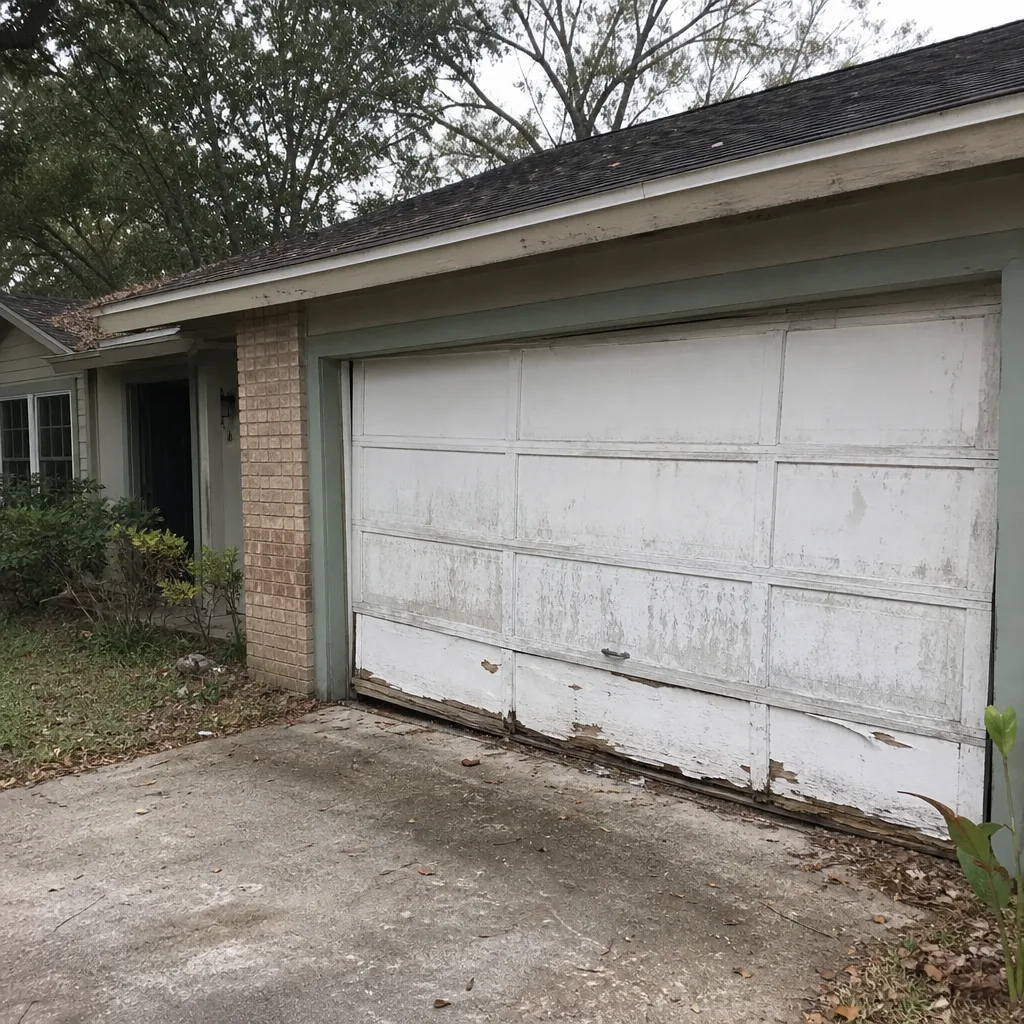 Before
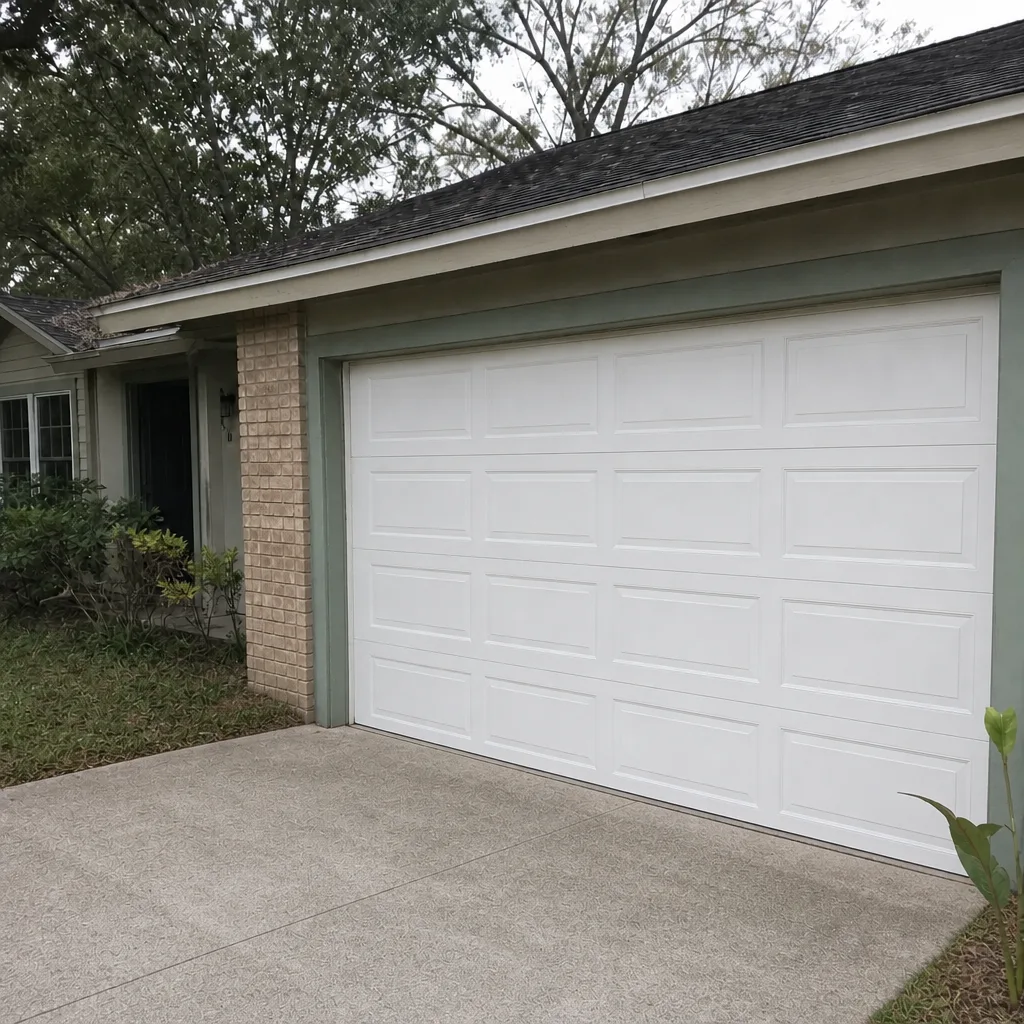 After
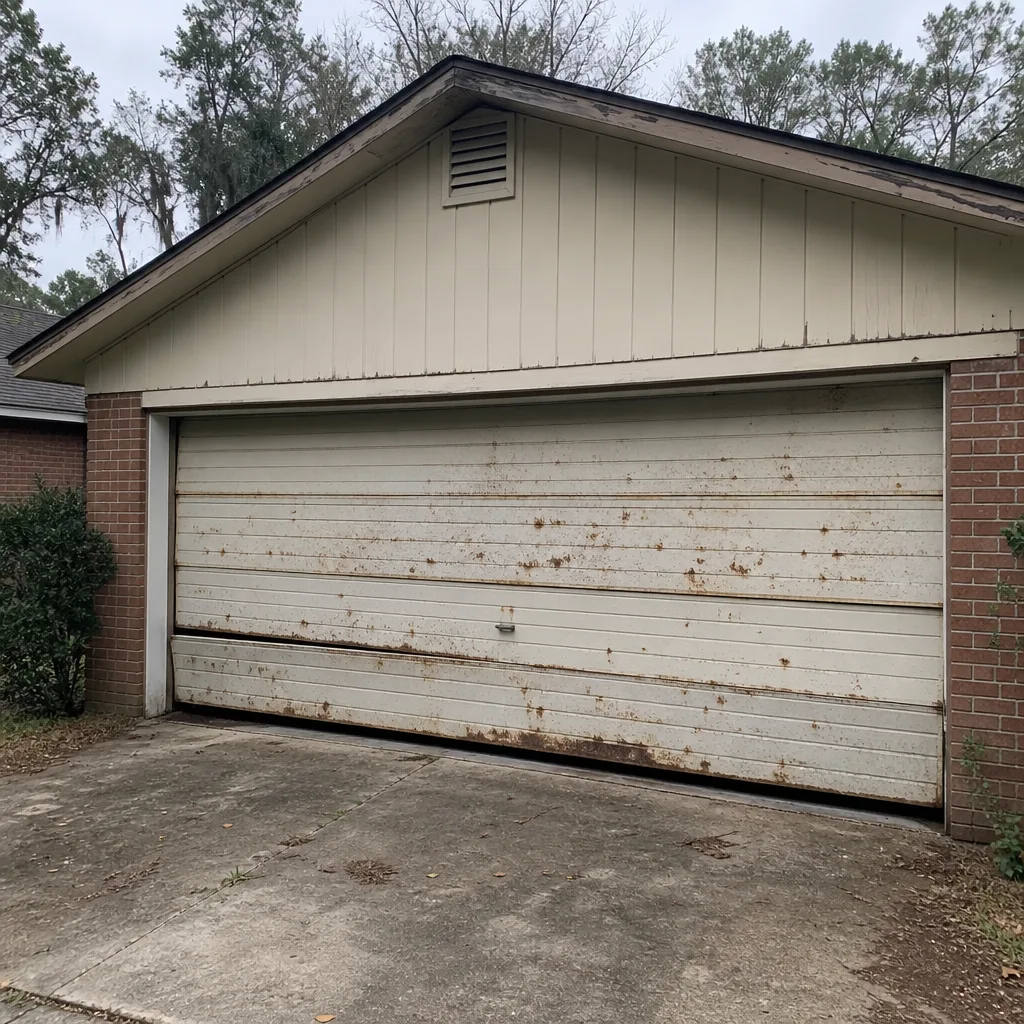 Before
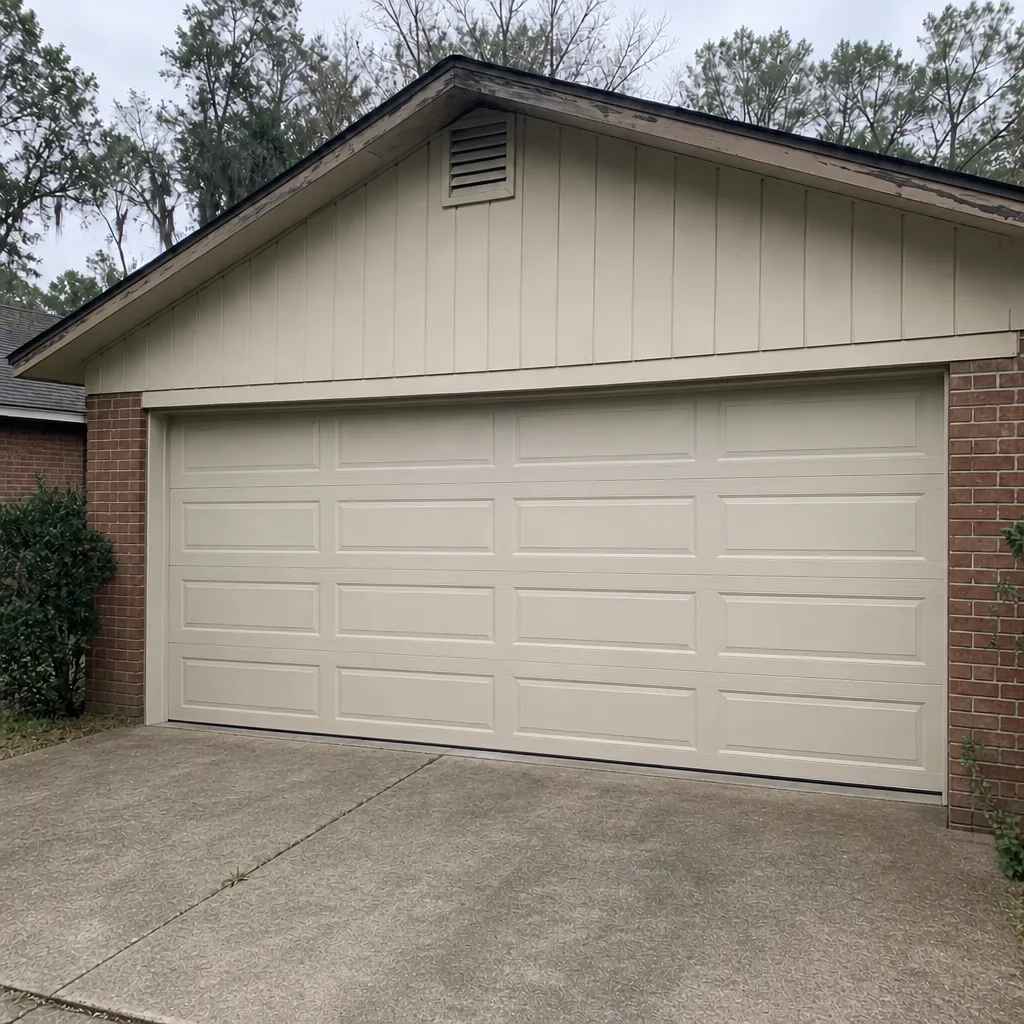 After
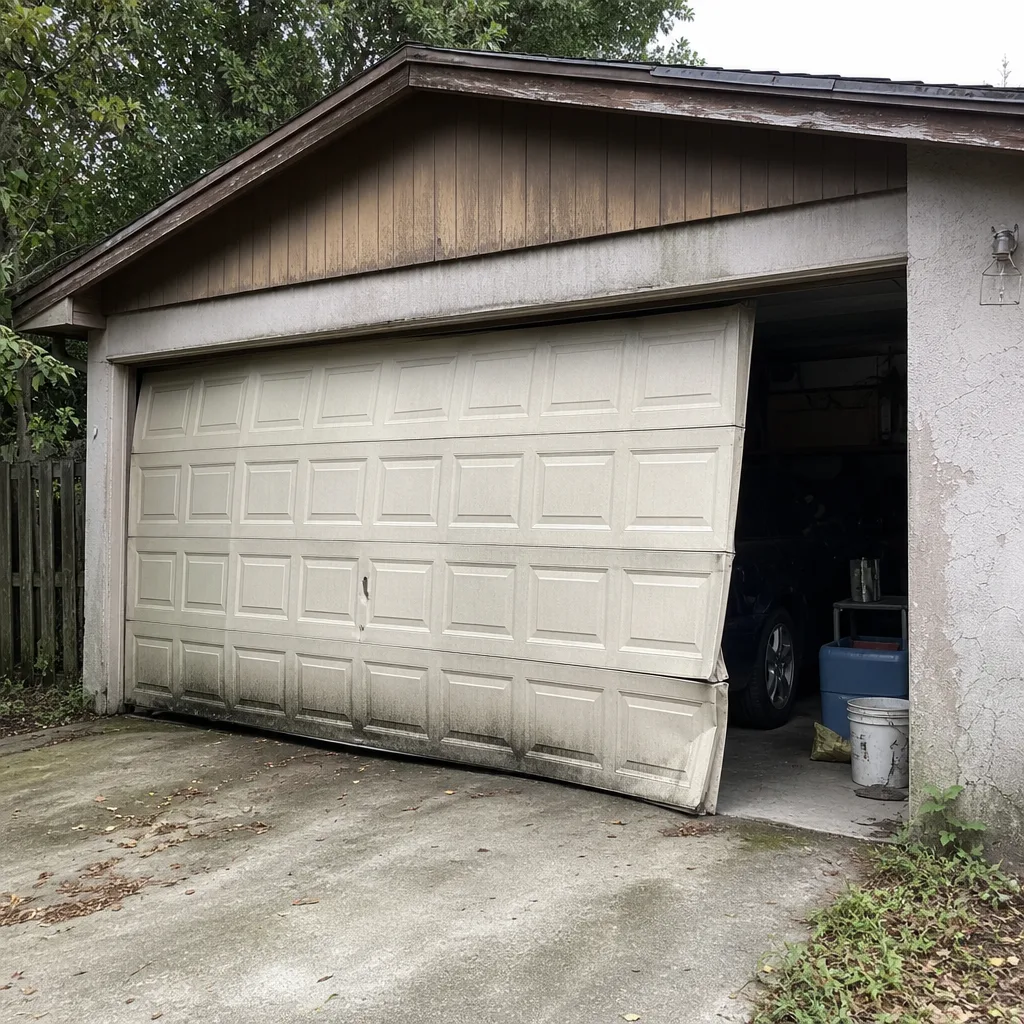 Before
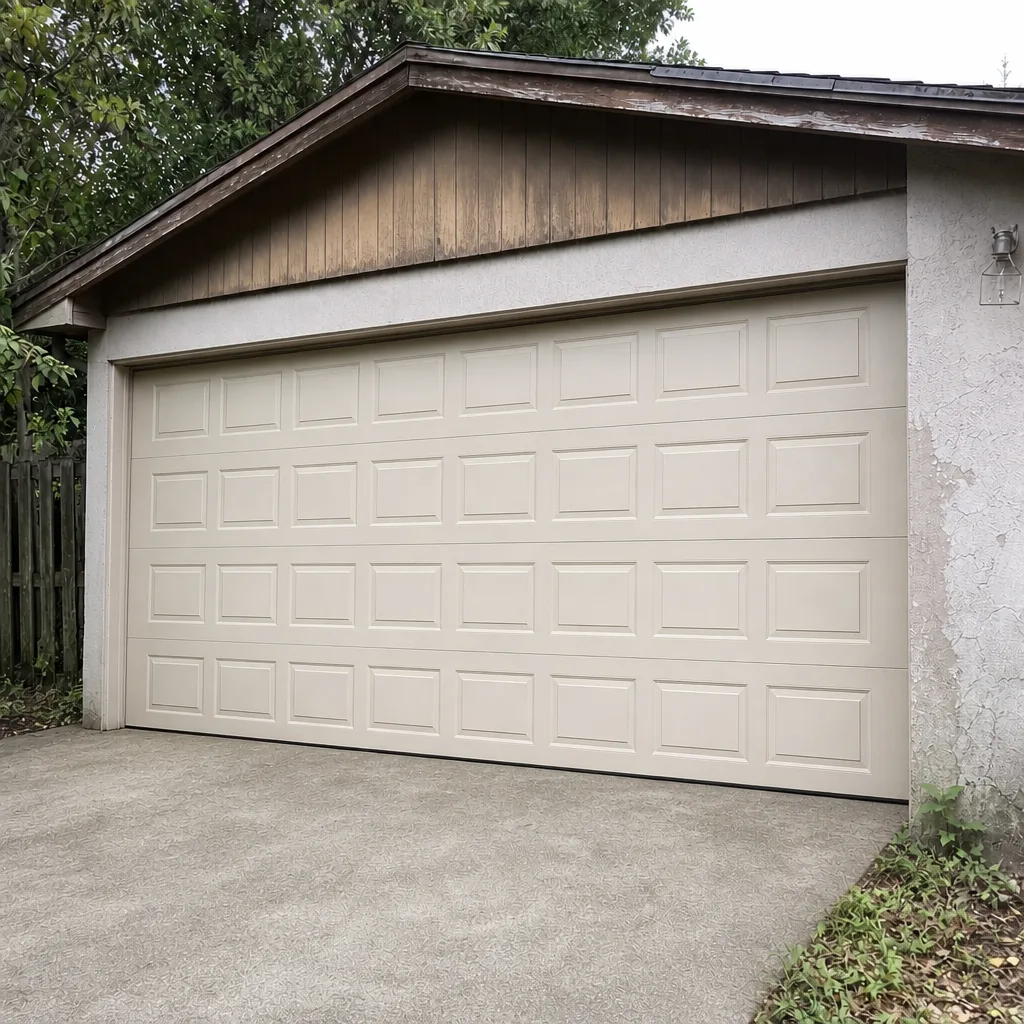 After
Frequently Asked Question: What Will It Cost?
Estimates are free and the price is set per job by a written estimate before any work starts. We don’t quote prices over the phone, because what a door needs depends on what’s actually wrong with it, and the only honest way to price a repair is to see the specific problem. When a technician arrives, they’ll inspect the door, tell you what they find, and give you a written price. Nothing begins until you’ve agreed. If the quote isn’t what you expect, no work happens and no charge is owed. That’s the arrangement on every visit.
The Bottom Line
Garage door warning signs almost never arrive as a single dramatic event. They show up as small changes: a new sound, a slower cycle, a streaky stain at the spring, a bottom seal that’s gone hard. The homeowners who avoid emergency breakdowns aren’t luckier than anyone else. They just noticed the changes early. Listen for grinding, popping, and clicking, and know what each one means. Watch for Gainesville-specific wear: rust, efflorescence, and UV-cracked seals. Notice when the door moves unevenly. And when the opener starts straining, look at the door before the motor. When you’re ready to have any of it inspected, our team handles every brand we’ve partnered with, from LiftMaster and Chamberlain to Clopay and Amarr, so we can diagnose your door without a referral runaround. Repair first, replace only when it makes sense.
Contact
If something on this list is ringing true, or you’re just not sure which side of the monitor-versus-stop line you’re on, call us. Gainesville Garage Door Repair Co provides free estimates on every visit, inspects the door and the opener together, and quotes the price before any work begins. We’re a garage door specialist, not a general home-repair service. Call (844) 654-1981. We answer 24/7. Fast dispatch from 7am to 7pm, Sunday through Friday. Our technicians have up to 13 years of experience, and we work on your brand, from Clopay and Amarr to Wayne Dalton and Craftsman. You can also start at Gainesville Garage Door Repair Co to see how we handle every repair and installation.
Written by the team at Gainesville Garage Door Repair Co.